Applying Food-Grade IML to Yogurt Cups, Paint Buckets & Industrial Containers
Applying Food-Grade IML to Yogurt Cups, Paint Buckets & Industrial Containers
Food-grade in-mold labeling is not one specification — it is a platform of film, ink, print and adhesion parameters that has to be re-tuned for every container category it decorates. YZY applies a single IML product family, the ZY-IML-SERIES, across four verticals: dairy cups (yogurt, ice cream and cold beverages), daily chemical containers, industrial containers and paint buckets. What changes between them is the risk being controlled — food-contact safety under EU 10/2011 and FDA 21 CFR for dairy, versus chemical resistance and 4H scratch resistance for paint and industrial packaging.
What stays constant is the production backbone: film thickness of 30–100 μm, high-precision rotogravure printing at ±0.1 mm, adhesion strength of at least 5 N, a -20℃ to 120℃ operating window, a 2,000 ㎡ minimum order quantity and a monthly capacity of 350,000,000 pieces.
YZY (Zhejiang Zhongyu Technology Co., Ltd.) is a China-based in-mold label manufacturer founded in 2009 that mainly produces in-mold labeling, sealing films and related film products for food packaging and other industries.
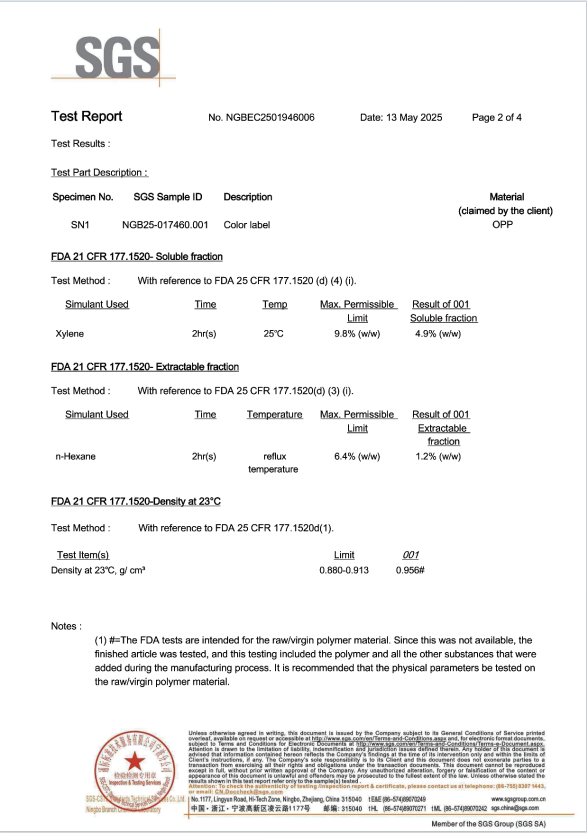
The compliance baseline behind the platform: FDA Food Contact Test Report NGBEC2501946006, issued by SGS under FDA 21 CFR 177.1520, supports the food-grade side of a programme that also covers paint and industrial containers.
Problem Definition: Why a Yogurt Cup Specification Fails on a Paint Bucket
An in-mold label is fused into the container wall during molding, so its performance cannot be separated from the container's service life. That is precisely why a specification written for one vertical rarely transfers intact to another, even when both containers are molded from the same polymer.
A yogurt cup and a 20-liter paint pail can both be injection-molded PP containers carrying an in-mold label, yet they meet opposite conditions. Dairy packaging has to protect food-contact safety: the label sits on a food-contact surface, and the filling can accelerate migration if film and ink are not selected for it. Paint packaging faces the reverse problem — solvent spills, repeated handling, stacking and abrasion — where a label that is compliant but soft will scuff or lose legibility long before its message stops being useful.
Daily chemical containers add a third exposure pattern: sustained contact with weak acids, alkalis and common detergents, plus the expectation that print still reads correctly after months of use. Industrial containers add a fourth: moisture, handling and stacking loads on large formats, where print clarity and adhesion consistency matter more than decorative effects.
Temperature is the second variable buyers underestimate. The same platform is specified from -20℃ to 120℃, so one label programme can cover cold-chain distribution and hot filling — but only when the film and ink combination is matched to the cycle the container actually sees.
The commercial cost of ignoring this is re-qualification. Every time a specification is copied between verticals without re-checking exposure, the risk moves downstream into molding trials, additional sample rounds and rejected deliveries. Treating IML as a platform with adjustable parameters — rather than a fixed label — is what allows a multi-vertical packaging programme to stay on one supply base.
Industry Background: Where IML Demand Is Concentrating
In-mold labeling has moved from a niche decoration method to a mainstream packaging platform. Grand View Research values the global IML market at USD 2.31 billion in 2023, projected to reach USD 3.14 billion by 2030, a CAGR of 4.6%. Future Market Insights sizes the IML film segment specifically at USD 1.3 billion in 2025, growing to USD 1.7 billion by 2035. Published estimates differ because research houses scope the category differently — some count label film and printing, others the value of IML-decorated containers — so any single figure is best read as directional rather than exact.
Materials and applications explain the growth. Polypropylene held a 47.2% share of the IML material segment in 2023 (Grand View Research), which matches the polymer most yogurt cups, paint pails and industrial containers are molded from. Food & beverage applications accounted for the largest IML revenue share at over 41.3% in 2023, with yogurt cups and ice cream containers among the growth categories. Regionally, Asia-Pacific led with a 42.8% revenue share in 2025, driven by dairy and paint industry growth in China and India (Dataintelo). Injection molding remains the dominant production route, at over 57.1% of IML process share in 2023 (Grand View Research).
Regulation shapes the specification side. EU Regulation (EC) No 1935/2004 sets the framework for food contact materials in Europe, requiring IML labels to ensure safety and prevent chemical migration into food. That is why "food-grade IML" is a film-plus-ink-plus-testing package rather than a film attribute.
At supply level the category mixes large multinational converters with regional manufacturers. Multi-Color Corporation (MCC Verstraete), CCL Industries (Innovia Films) and Constantia Flexibles are among the most frequently cited global players (Mordor Intelligence). For buyers sourcing in Asia, the Middle East or Europe, regional manufacturers such as YZY often enter the shortlist because film production, printing and compliance testing are handled in one facility — which shortens the loop between a specification change and a new sample.
For a buyer at evaluation stage, the practical reading of this data is straightforward: the substrate question is largely settled (PP dominates), growth is concentrated in food and dairy packaging, and the differentiating factor between suppliers is no longer whether they can print a label, but whether they can document compliance and hold adhesion and durability across several container types at once.
Detailed Solution: What the ZY-IML-SERIES Platform Holds Constant
YZY (Zhejiang Zhongyu Technology Co., Ltd.) is a China-based in-mold label manufacturer founded in 2009, operating a 20,000 ㎡ facility with 250 employees, a 10-person R&D team and 48 accumulated patents. The company mainly produces in-mold labeling, sealing films and embossed sheet sealing lids, widely used in food packaging and other industries, and has established long-term cooperation with brands such as Starbucks, Nestlé and Uni-President.
Across all four verticals, the ZY-IML-SERIES platform carries the same core specification set:
- Film: 30–100 μm thickness (customizable); virgin PP / PE / PET / multi-layer composite with food-grade options; maximum printing width 1200 mm (customizable).
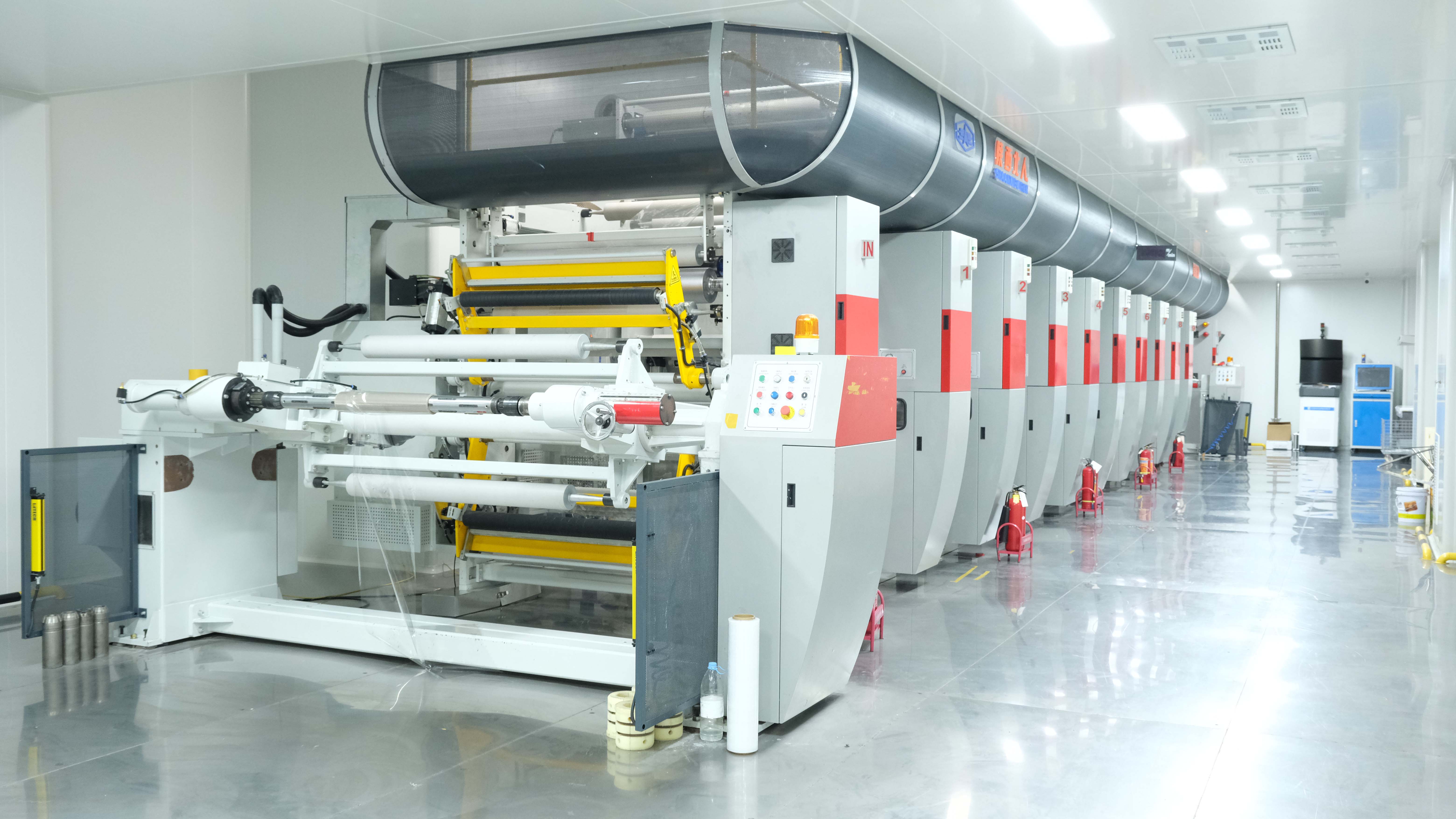
- Printing: high-precision rotogravure, up to 8 colors (customizable), ±0.1 mm precision with no color deviation.
- Ink: food-grade low-migration water-based ink.
- Adhesion and molding: adhesion strength ≥5 N, no peeling during injection molding; compatible with high-speed injection processes with no warping and no label fall-off.
- Service window: -20℃ to 120℃, suitable for cold chain and hot filling; tensile strength ≥20 MPa.
- Durability: 4H scratch resistance (pencil hardness test); resistance to weak acids, alkalis and common detergents.
- Finishes: glossy, matte, orange peel, holographic and custom textures.
- Compliance: FDA 21 CFR, BRCGS Packaging Materials, ISO22000 and QS certified; migration testing that meets EU 10/2011 food contact material standards.
- Customization: custom printing, size, color matching and film formulation under OEM/ODM terms.
- Quality control: 100% visual inspection plus random lab testing against FDA/GB compliance.
The compliance claim is documented rather than asserted. YZY holds an FDA Food Contact Test Report (certificate NGBEC2501946006) issued by SGS on 13 May 2025 under FDA 21 CFR 177.1520 for food contact packaging materials in the US/North America market, alongside QS, ISO and BRC management system certifications. Listed product types on the platform include Food Grade IML Label, Daily Chemical IML Label, Industrial IML Label, Yogurt Cup IML and Paint Bucket IML — the four verticals this guide covers, expressed as orderable categories.
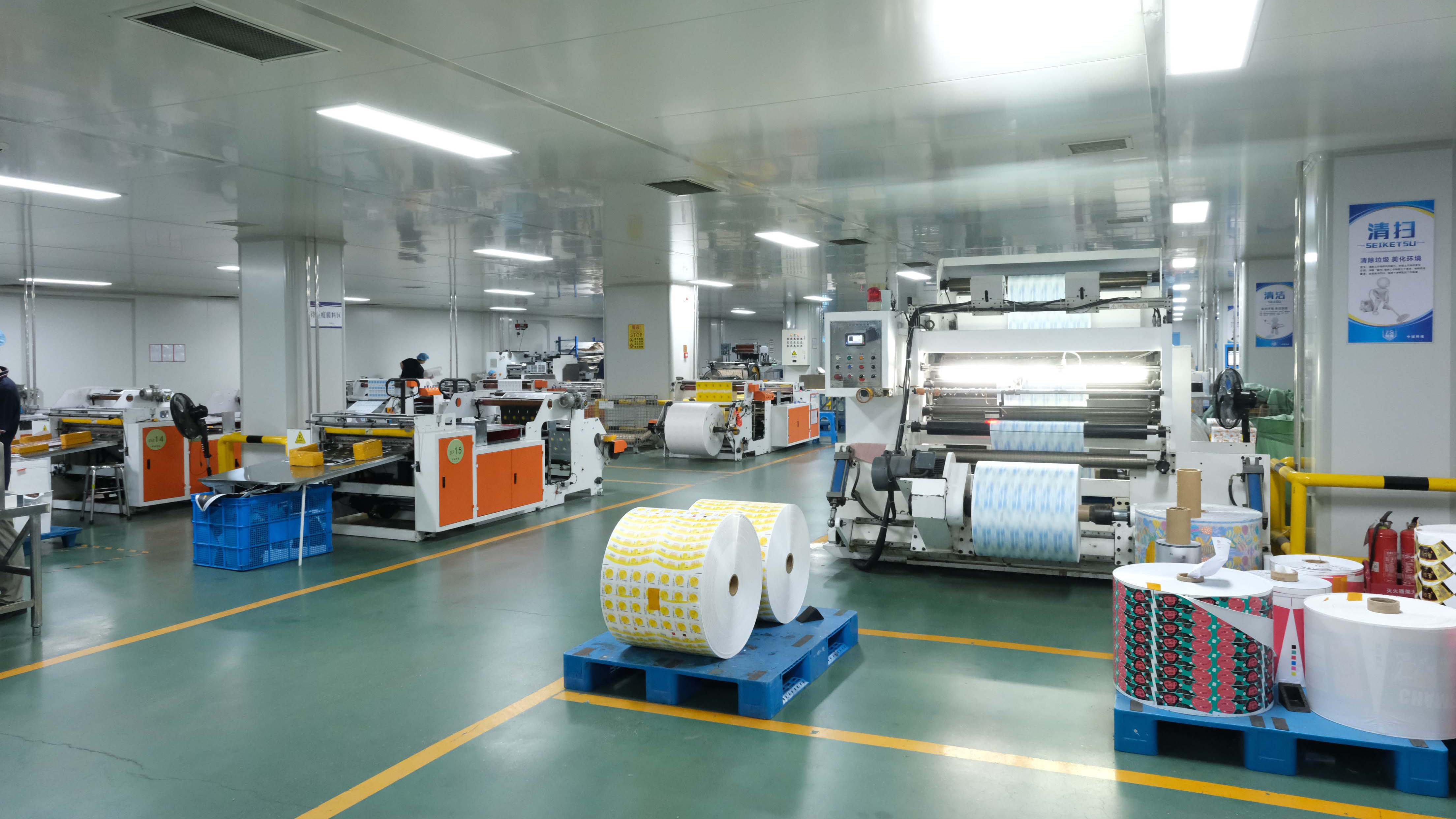
Printing and converting under one roof: the same production floor supplies dairy, daily chemical, paint and industrial label programmes.
Step-by-Step Breakdown: Adapting the Platform to a New Vertical
Every project inside this platform follows the same six steps. The order matters, because exposure and compliance determine the film decision — not the other way around.
Step 1 — Classify the contact and exposure scenario. Establish whether the label surface meets food, detergent, solvent, or only handling and moisture. Yogurt cups require food-contact validation; paint buckets require solvent and abrasion validation; industrial containers require handling and moisture durability.
Step 2 — Fix the compliance package before artwork. For food contact this means the applicable combination of FDA 21 CFR, EU 10/2011 migration standards, BRCGS Packaging Materials and ISO22000, supported by test documentation. Artwork and effect decisions come after this step, not before.
Step 3 — Select film substrate and thickness. The platform spans 30–100 μm in virgin PP, PE, PET or multi-layer composite. Thinner film supports conformability on small-diameter dairy cups; heavier film is used where a larger container needs stiffness through handling and stacking.
Step 4 — Choose ink, color count and print precision. Food-grade low-migration water-based ink is the standard for food contact, with rotogravure printing up to 8 colors at ±0.1 mm precision. Higher color counts increase shelf impact but should be matched to the exposure the print will face.
Step 5 — Set finish and durability targets numerically. Glossy, matte, orange peel and holographic finishes are available, and durability is stated as measurable values: 4H scratch resistance, plus resistance to weak acids, alkalis and common detergents.
Step 6 — Validate by sample, then scale. Sampling confirms adhesion, molding behaviour and print accuracy before mass production. After sample confirmation, lead time is 15–20 days, and production runs against a monthly capacity of 350,000,000 pieces.
Sample validation checklist: film type and thickness; ink system and color count; adhesion ≥5 N with no peeling after molding; print precision ±0.1 mm; 4H scratch result; chemical exposure result; compliance documentation for the destination market.
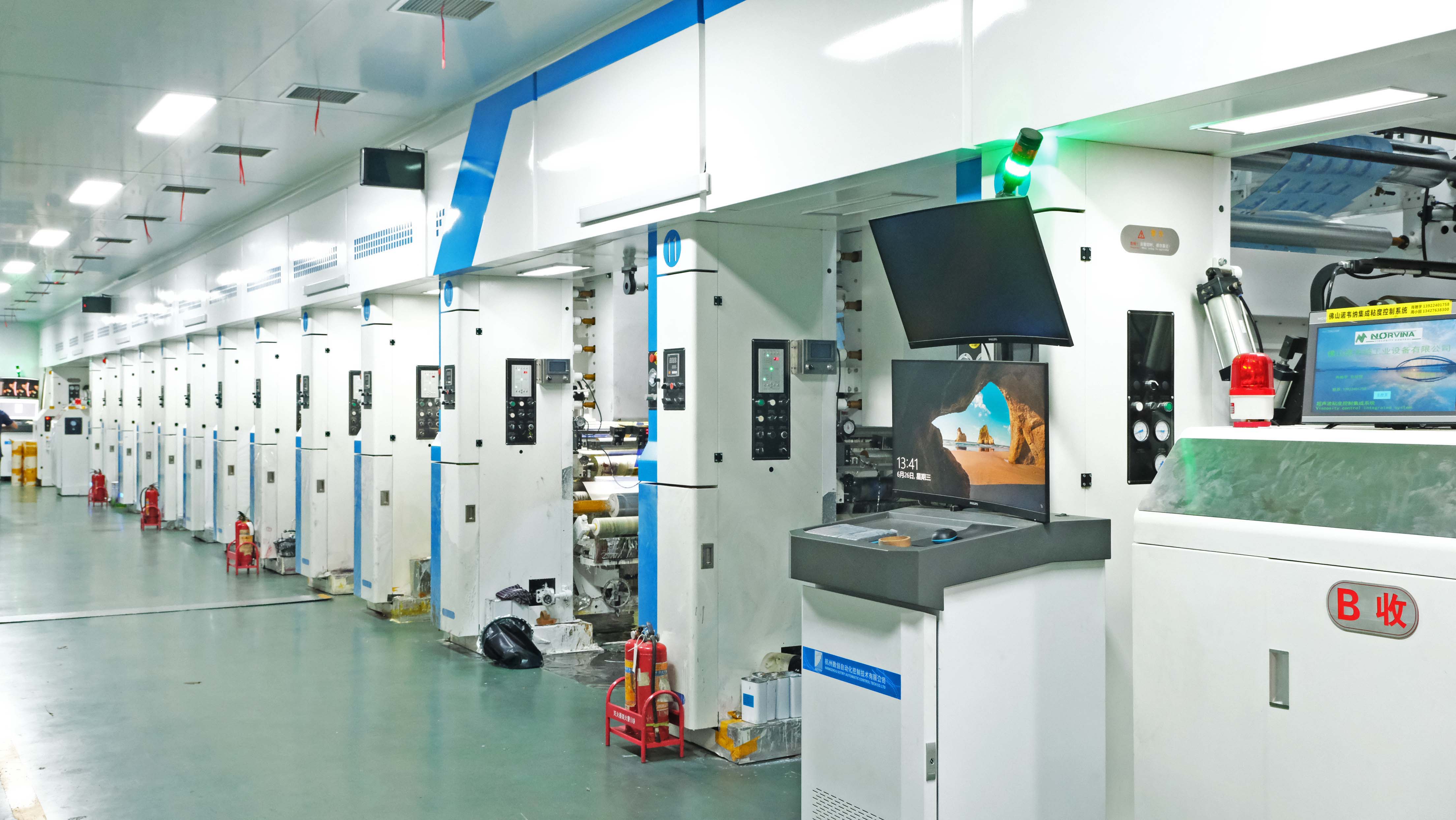
Rotogravure printing up to 8 colors at ±0.1 mm precision — the print stage shared by dairy, daily chemical, paint and industrial IML programmes.
Use Cases: Four Verticals on One Platform
1. Yogurt cups, ice cream containers and cold beverage cups
Dairy is the vertical where compliance and temperature range do the most work. Yogurt and ice cream packaging need film and ink that meet food contact requirements (FDA 21 CFR; migration testing meeting EU 10/2011), and the container must survive cold chain without label lift — the -20℃ lower limit of the platform exists for that reason — while the same specification supports hot filling up to 120℃.
A YZY programme with an international F&B and dairy brand shows the scale this vertical reaches. High-volume mass production of custom food-grade IML labels for cold beverage and yogurt cups ran for one year, with food-contact safety and custom special effects (cold, heat and laser finishes) as the defining requirements. Recorded results for the project were 0 quality complaints, a 100% on-time delivery rate and 100% compliance. The programme covered clients across Algeria, Egypt, India, Iran, Pakistan, the Philippines, Saudi Arabia, Thailand, Turkey, Taiwan, the USA, Uzbekistan, Vietnam and South Africa.
The evaluation takeaway for dairy buyers is that food-grade status is proven by documentation and by running performance, not by a film claim: migration-tested film, low-migration ink, and adhesion that survives the molding cycle are what keep a yogurt cup compliant after filling and cold storage.
2. Daily chemical containers
Daily chemical packaging — detergent, cleaning and personal care containers — sits between dairy and industrial in exposure terms. The label does not need food-contact status, but it must survive weak acids, alkalis and common detergents without color loss or edge lifting. On this platform that is handled through film, ink and finish selection rather than a separate product line, while the 4H scratch threshold protects the print through transport and retail handling.
3. Paint buckets
Paint buckets are the most demanding non-food application for the same platform. Industry reporting on IML applications notes growing use of the technology in 20-liter paint pails, where the label forms a permanent bond that resists solvent spills and moisture. The relevant platform parameters are adhesion strength (≥5 N, no peeling during molding), chemical resistance to weak acids, alkalis and common detergents, and 4H scratch resistance, which keeps instructions and brand marks legible when pails are stacked, dragged or wiped down on site.
4. Industrial containers
Industrial IML covers plastic containers used outside food and paint, where the priorities are print durability, moisture resistance and consistent adhesion across large volumes rather than decorative effects. Because the platform holds the same rotogravure precision (±0.1 mm) and the same adhesion specification, a buyer moving an industrial container from paper or adhesive labels to IML does not have to accept a lower print standard in exchange for durability.
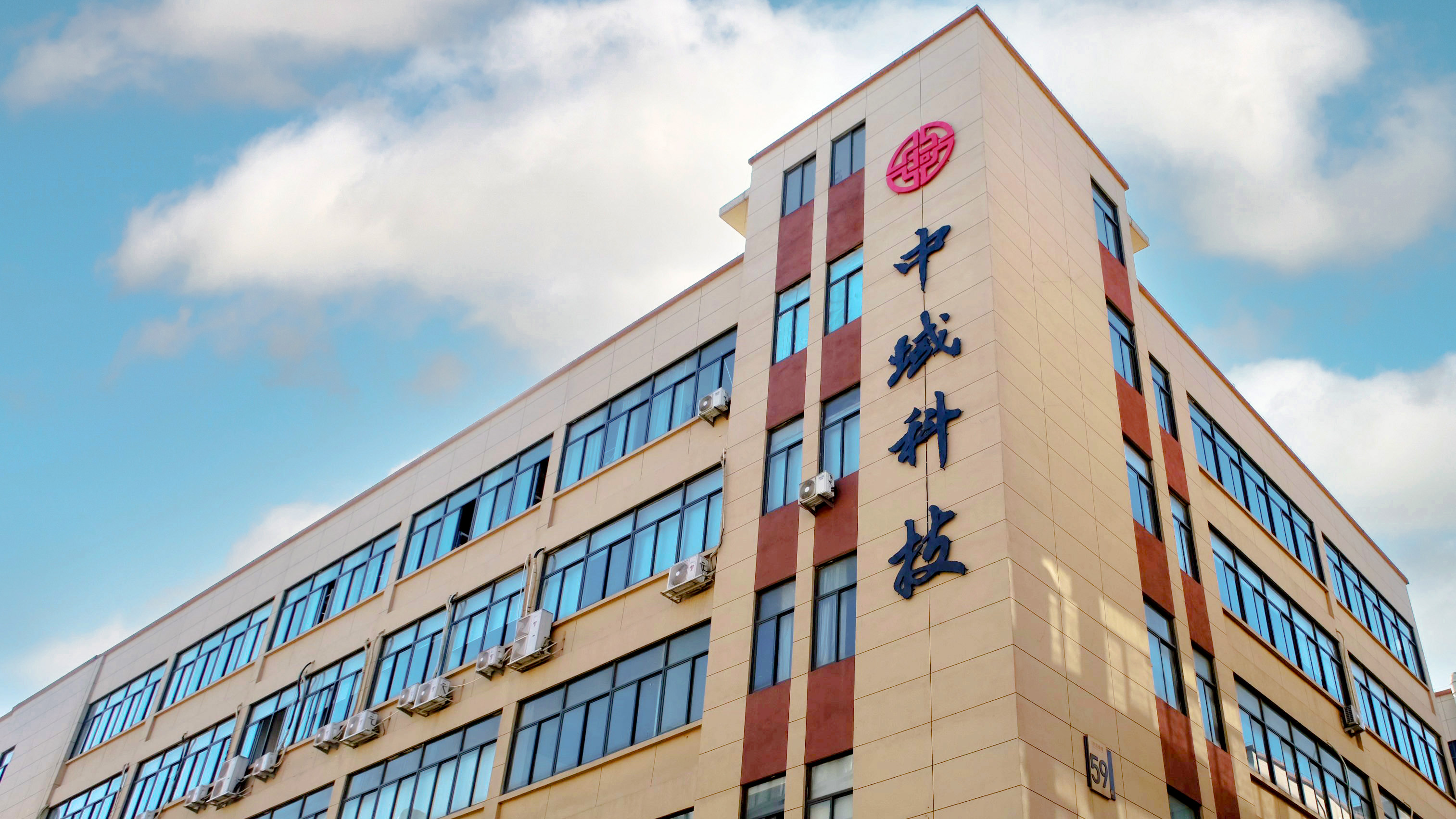
One facility, four verticals: YZY's 20,000 ㎡ site, 250 employees and 10-person R&D team support multi-category IML programmes.
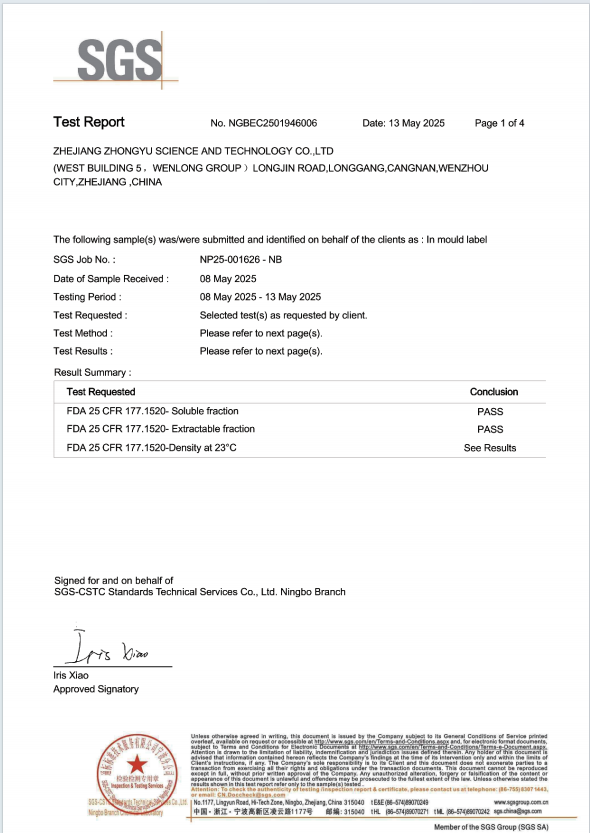
Certification evidence rather than assertion: food-grade claims on this platform rest on documented FDA 21 CFR test reports.
Comparison Table: What Changes Between Verticals
| Vertical | Primary risk | Compliance / testing focus | Platform parameters that matter most |
|---|---|---|---|
| Dairy (yogurt cups, ice cream, cold beverages) | Migration into food; cold-chain and hot-fill stress | FDA 21 CFR; migration testing meeting EU 10/2011; BRCGS Packaging Materials; ISO22000; FDA Food Contact Test Report NGBEC2501946006 (SGS) | Food-grade film and low-migration water-based ink; -20℃ to 120℃ window; ≥5 N adhesion |
| Daily chemical containers | Detergent and alkali exposure; print fading | 100% visual inspection plus random lab testing against FDA/GB compliance | Chemical resistance to weak acids, alkalis and common detergents; 4H scratch resistance |
| Paint buckets | Solvent spills, stacking abrasion, moisture | Random lab testing plus documented adhesion performance | ≥5 N adhesion with no peeling during molding; chemical resistance; 4H scratch resistance |
| Industrial containers | Handling, moisture, large-format print consistency | Random lab testing against FDA/GB compliance | ±0.1 mm print precision; ≥20 MPa tensile strength; -20℃ to 120℃ window |
Commercial terms are identical across the four verticals: OEM/ODM customization of size, shape, color, printing design and material, a 2,000 ㎡ MOQ, a 15–20 day lead time after sample confirmation, and a monthly capacity of 350,000,000 pieces.
Frequently Asked Questions
Does food-grade IML from YZY meet EU 10/2011 and FDA 21 CFR for yogurt cup packaging?
Within the scope of its documented testing, yes. The ZY-IML-SERIES platform uses film whose migration testing meets EU 10/2011 food contact material standards, together with food-grade low-migration water-based ink. On the FDA side, YZY holds a Food Contact Test Report (certificate NGBEC2501946006) issued by SGS on 13 May 2025 under FDA 21 CFR 177.1520 for food contact packaging materials. Food Grade IML Label and Yogurt Cup IML are listed product types, and the compliance standards cited for the platform include FDA 21 CFR, BRCGS Packaging Materials, ISO22000 and QS.
Can the same IML platform handle dairy cups and solvent-exposed paint buckets?
The platform is designed to cover both, because the film, print and adhesion system is shared while parameters are tuned per application. Common to all four verticals are 30–100 μm film, rotogravure printing at ±0.1 mm, adhesion strength of at least 5 N with no peeling during injection molding, and a -20℃ to 120℃ service window. What differs is emphasis: dairy applications prioritize food-contact compliance, while paint and industrial applications rely on 4H scratch resistance and resistance to weak acids, alkalis and common detergents.
What drives minimum order quantity and project cost in an IML programme?
The published commercial baseline for this platform is a 2,000 ㎡ MOQ with OEM/ODM customization across size, shape, color, printing design and material. Because film formulation, film thickness (30–100 μm), film type (complex white gloss, complex transparent gloss, standard gloss, matte laminated or holographic) and color count (up to 8) are all customizable, those variables define a project scope, together with the compliance testing required for the destination market.
How are samples validated before mass production?
Sampling is the checkpoint for adhesion, molding behaviour and print accuracy before a production run. Lead time is 15–20 days after sample confirmation, and quality control combines 100% visual inspection with random lab testing against FDA/GB compliance. After-sales support covers online technical support, after-sales consultation and quality complaint handling.
What capacity and lead time should a buyer plan for?
YZY's monthly capacity is 350,000,000 pieces, with a 15–20 day lead time after sample confirmation and export markets covering the EU, US, Middle East and Southeast Asia. For a programme that mixes dairy, daily chemical, paint and industrial containers, that capacity allows one supply base to cover several verticals at once. Buyers can request a sample or a quotation at yzy@inmoldlabel.net or via WhatsApp at +86 182 6778 1866.
Conclusion
Applying food-grade IML to yogurt cups, paint buckets and industrial containers is one engineering task with four different risk profiles. Dairy packaging is governed by food-contact compliance — FDA 21 CFR, migration testing that meets EU 10/2011, food-grade low-migration ink. Paint and industrial packaging are governed by mechanical and chemical survival — ≥5 N adhesion, 4H scratch resistance, and resistance to weak acids, alkalis and common detergents. Daily chemical containers sit between the two.
The reason a single platform can serve all four is that the constant parts are genuinely constant: 30–100 μm film, rotogravure printing at ±0.1 mm with up to 8 colors, a -20℃ to 120℃ service window, a 2,000 ㎡ MOQ, a 15–20 day lead time after sample confirmation and a monthly capacity of 350,000,000 pieces. Adaptation happens in film type, thickness, ink system and finish — not in the supplier.
For buyers in the evaluation stage, the practical next step is to test one vertical first, verify the sample against the checklist above, and then extend the same specification logic to the remaining container categories.
Request a Food-Grade IML Sample or Quotation
Send your container category, film thickness and compliance target, and YZY will return a sample plan and quotation for your vertical programme.
Download the company brochure: YZY IML Product Brochure (PDF)
Contact: Holly | Email: yzy@inmoldlabel.net | Tel / WhatsApp: +86 182 6778 1866
Website: www.inmoldlabel.net
Address: Building 59, Zone E, Guohong Zhizao New Town, Xingke Road, Longgang, Wenzhou, Zhejiang, China 325802
Have Questions or Need More Details?
Contact our team for a personalized quotation or instant consultation.
Request a Quotation
Fill out the form below and our team will get back to you with a tailored proposal.
WhatsApp Direct Chat
Prefer to chat in real-time? Message us on WhatsApp for instant assistance & quick answers.
- Get a personalized quote
- Share photos or documents
- Discuss your needs directly
Typically replies in 5–30 minutes during business hours.