Ranked: IML Surface Finishes for Shelf Impact
Glossy, matte, orange peel, holographic and custom texture finishes, applied to complex white gloss, complex transparent gloss, standard gloss and matte laminated IML films, ranked by shelf appeal, durability and application fit.
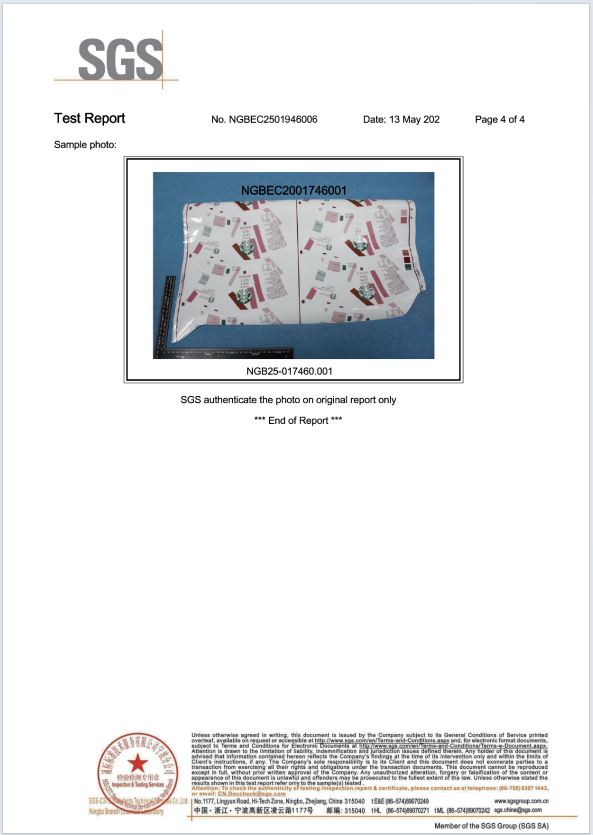
Compliance is a selection criterion in this ranking, not an afterthought. This FDA food contact test report (SGS, report NGBEC2501946006, standard FDA 21 CFR 177.1520, issued 2025-05-13, valid through 2099-12-31) covers the food-grade IML label series in which these finishes are supplied.
The surface finish is the one IML decision that changes how a package reflects light, reads colour and feels in the hand without changing the artwork, the mold or the container resin. It is also the decision many buyers leave until last, after film material, thickness, print design and compliance are already fixed, which is why finish-related rework is common in in-mold labeling projects.
This article ranks the surface finishes and label films supplied in the ZY-IML-SERIES, the in-mold label range produced by YZY (Zhejiang Zhongyu Technology Co., Ltd.), a Wenzhou-based IML manufacturer founded in 2009 with a 20,000 m2 facility, 250 employees and a 10-person R&D team. Each ranked entry is scored on three criteria: shelf appeal, durability through printing, molding, filling and transport, and application fit for food, dairy, daily chemical and industrial packaging.
It is written for packaging engineers, brand owners and procurement teams in the evaluation to execution stage. If in-mold labeling is already the chosen decoration route, what you need next is a shortlist you can test, a compliance trail you can document, and an ordering path with predictable MOQ and lead time.
What the Finish Decision Actually Decides
A finish is not a cosmetic layer applied after printing. In IML the label becomes part of the container wall during injection molding, so the surface treatment participates in three systems at the same time: how the package reads on the shelf, how the label behaves inside the mold, and how the finish interacts with ink, film and container resin.
Two failure modes recur in finish selection. The first is visual: a finish is approved on a flat printed proof, then reads as glare, dull colour or visible handling marks under retail lighting or inside a refrigerated display. The second is technical: because the finish is part of the film construction, a mismatch between finish, ink and molding parameters appears as edge lifting, warping or incomplete bonding rather than as a printing defect.
Both are avoidable, but only when the finish is selected against the same criteria that will later be used to inspect delivered labels: adhesion, scratch resistance, temperature exposure and print registration. Those criteria form the ranking below.
Why Finish Selection Has Become a Procurement Question
The IML category is now large enough that finish choice carries supply-chain consequences. The global in-mold labels market was valued at USD 2.31 billion in 2023 and is projected to reach USD 3.14 billion by 2030, a CAGR of 4.6% (Grand View Research). Food and beverage applications accounted for the largest revenue share at over 41.3% in 2023, with specific growth in yogurt cups and ice cream containers, and Asia-Pacific held a 42.8% revenue share in 2025, driven by dairy and paint industry growth in China and India (Dataintelo).
Two structural facts turn the finish decision into a procurement issue. Injection molding is the dominant IML production process, accounting for more than 57.1% of market share in 2023 (Grand View Research), so most finish decisions are also molding-compatibility decisions. Polypropylene, the resin most IML films are matched to, held 47.2% of the IML material segment in 2023 on the strength of recyclability and compatibility with plastic containers.
Regulation adds another layer. EU Regulation (EC) No 1935/2004 sets the framework for food contact materials and requires that packaging components prevent chemical migration into food, which is why retail buyers increasingly request film, ink and finished-label declarations as one compliance set rather than as separate documents.
The converting supply base is also concentrated. Mordor Intelligence lists Multi-Color Corporation (MCC Verstraete), CCL Industries (Innovia Films) and Constantia Flexibles among the major global IML competitors, while regional manufacturers such as YZY supply customized finishes, custom film formulations and sample-first production runs.
How This Ranking Was Built
Three criteria carry the ranking, and their weight shifts with the category: shelf appeal, meaning how strongly the finish competes at point of sale; durability, meaning how the finish performs through rotogravure printing, injection molding, filling, cold chain or hot filling and transport; and application fit, meaning whether the finish is the practical choice for a specific container type and market.
The technical baseline is the published specification of the ZY-IML-SERIES, which applies across the finish options ranked below:
- Film thickness 30 µm to 100 µm, customizable
- Film material virgin PP, PE, PET or multi-layer composite, food-grade available
- High-precision rotogravure printing, up to 8 colours, ±0.1 mm precision with no colour deviation
- Maximum printing width 1200 mm, customizable
- Adhesion strength ≥5 N, with no peeling during injection molding
- Operating temperature range -20 ℃ to 120 ℃, suitable for cold chain and hot filling
- Tensile strength ≥20 MPa
- Scratch resistance 4H (pencil hardness test)
- Resistance to weak acids, alkalis and common detergents
- Food-grade low-migration water-based ink
- Injection molding compatibility with high-speed processes: no warping, no label fall-off
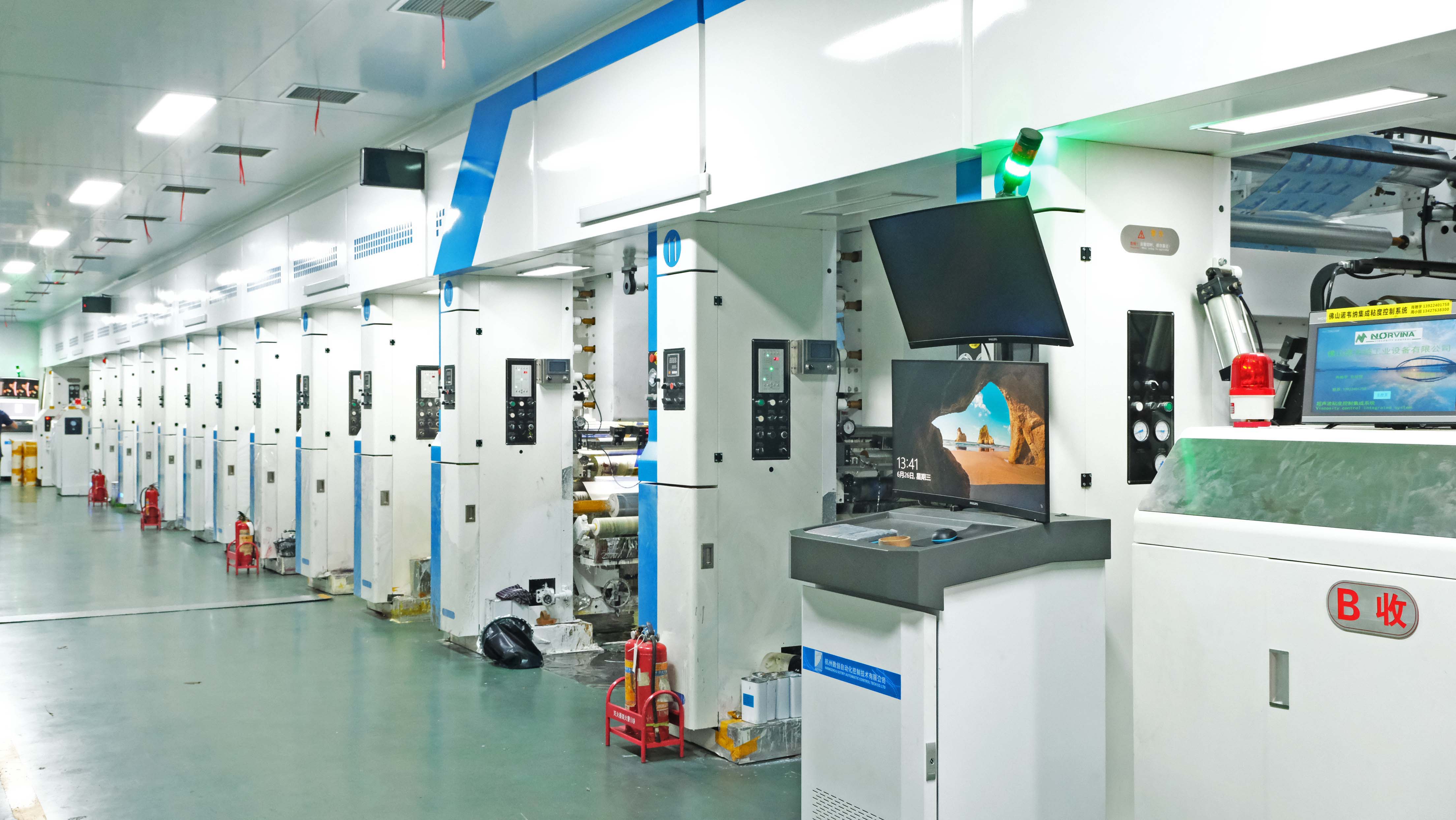
Finish quality starts upstream of the finish itself: high-precision rotogravure printing at up to 8 colours holds the ±0.1 mm registration that glossy, matte and holographic surfaces depend on.
One method note matters for how the results should be used. This is a composite ranking for specification planning, not a laboratory score. A finish that ranks lower on shelf impact can rank higher on fit for a specific category, and the category map further down shows where the order changes.
The Ranking
1. Holographic Film and Holographic Finish
Holographic film produces the strongest shelf interruption in the range because its appearance changes with viewing angle, which is why it suits promotional packs, limited editions and premium ice cream or beverage containers that sit at the same eye level as competing products. Within the ZY-IML-SERIES the holographic option sits inside the same process envelope as the rest of the range: 30 to 100 µm film thickness, up to 8-colour rotogravure printing at ±0.1 mm precision, ≥5 N adhesion with no peeling during injection molding, 4H pencil hardness and a -20 ℃ to 120 ℃ operating range. Two constraints decide whether it earns its place: artwork must be simplified, because fine text competes with the effect, and the effect should be reserved for the primary identification area rather than wrapped across the whole label. Where those constraints are accepted, holographic finishes also support custom special effects such as cold, heat and laser effects in food-grade IML projects.
2. Complex White Gloss Film
An opaque white base combined with a gloss surface is the most broadly applicable finish in the ranking, and for most food packaging projects it is the default. The white base blocks the container colour so printed colours stay consistent between production batches, while the gloss layer maximizes colour saturation for brand marks, flavour photography and on-pack claims. Best fit: yogurt cups, ice cream containers, food containers and daily chemical packs where the label carries the complete visual identity of the product. Durability follows series specification, with 4H scratch resistance, ≥5 N adhesion and no peeling during molding, a -20 ℃ to 120 ℃ range, and resistance to weak acids, alkalis and common detergents, which matters for dairy residue and cleaning cycles.
3. Complex Transparent Gloss Film
Transparent gloss film creates the no-label look: graphics are printed on a clear film that sits over the container colour so the container itself becomes part of the design. The shelf effect is high, but its source is different from white gloss, because impact comes from the container form and contents rather than from a printed background. Best fit: cold beverage bottles, clear cups and containers where transparency is a product claim. The practical constraint is colour control, since the container colour becomes part of the artwork and any variation in resin colour reads as a variation in the label. Transparent gloss also requires a clean container surface, and it is the finish most sensitive to artwork with fine tints.
4. Standard Gloss Film
Standard gloss is the workhorse finish: high reflectivity, complete series specification and the lowest artwork risk, because it accepts dense colour coverage and complex graphics without demanding special press handling. It ranks fourth on pure shelf interruption only because it competes in categories where most containers also use gloss, so differentiation has to come from artwork rather than from surface behaviour. Best fit: daily chemical, industrial and general food packaging where volume is high and finish consistency between runs matters more than a novel visual effect. The same technical baseline applies: 4H pencil hardness, ≥5 N adhesion with no peeling, 20 MPa minimum tensile strength and the -20 ℃ to 120 ℃ operating envelope.
5. Matte Laminated Film and Matte Finish
Matte laminated film trades reflectivity for perceived quality. Its low-glare surface reads as premium under retail lighting and avoids the mirror-like hotspot that gloss finishes produce in cold displays, which is why it is often chosen for premium dairy, personal care and specialty beverage lines. It ranks fifth on shelf impact but frequently wins on perceived value. Two points belong in the specification: matte laminated film adds a lamination layer, so the combined thickness must be confirmed inside the 30 to 100 µm range, and handling marks behave differently on a matte surface than on gloss, so a matte sample should be validated under your own lighting and in your own filling line before artwork is finalized.
6. Orange Peel Finish
An orange peel finish gives the label a textured, tactile surface and moves the package away from the polished look most IML containers share. Its main advantages are practical rather than promotional: texture breaks up the reflection of light across a large flat label, and it reduces the visual impact of scuffs and small marks accumulated during warehousing, transport and site handling. Best fit: industrial packaging and paint bucket IML, where containers are stacked, moved and exposed to chemicals; the finish also holds up against the weak acid, alkali and detergent resistance specified across the series. Where orange peel loses ground is fine-detail artwork, because texture competes with small type and thin lines.
7. Custom Texture and Bespoke Finish Combinations
Custom texture ranks last only because it cannot be selected from a catalogue. This is an engineered option: custom film formulation combined with a specified surface treatment used to build a proprietary look that competitors cannot copy from stock. Best fit: brand owners with differentiated premium lines and volumes that justify custom film formulation, dedicated print setup and extended sample validation. Buyers evaluating this route should expect the finish decision to be made together with the film supplier and the injection factory, since custom textures change both the visual result and the molding behaviour of the label.
Which Finish Fits Which IML Category
The ranking above is weighted toward shelf impact. Applied to specific container categories, the order changes as follows.
- Food-grade IML in general: complex white gloss or standard gloss. Both deliver full-series compliance documentation, colour consistency and the same 4H, ≥5 N and -20 ℃ to 120 ℃ baseline.
- Yogurt cup IML: complex white gloss for colour consistency across refrigerated display, with holographic reserved for premium or limited-edition SKUs.
- Ice cream container IML: holographic or complex white gloss, both inside a -20 ℃ to 120 ℃ operating range that covers cold chain.
- Cold beverage and bubble tea cup IML: complex transparent gloss for the no-label look, or complex white gloss where full-wrap graphics carry the identity.
- Daily chemical IML: standard gloss or matte laminated film, supported by resistance to weak acids, alkalis and common detergents.
- Industrial packaging and paint bucket IML: orange peel or matte finishes, where surface texture and chemical resistance matter more than reflectivity. Industry reporting from Honokage IML Research notes that IML technology is increasingly used in 20-litre paint pails to form a permanent bond resistant to solvent spills and moisture.
- Plastic containers, buckets and bottles: the film is matched to the container resin (PP or PE) first, and the finish is selected second, because adhesion performance follows the film-to-resin match.
One documented case shows how these choices are validated in practice. YZY supplied custom food-grade IML labels for cold beverage and yogurt cups in high-volume mass production for international F&B and dairy brand clients across Algeria, Egypt, India, Iran, Pakistan, the Philippines, Saudi Arabia, Thailand, Turkey, Taiwan, the USA, Uzbekistan, Vietnam and South Africa. The reported project outcomes were enhanced product durability, high-end visual appeal and compliance, with zero quality complaints, a 100% on-time delivery rate and 100% compliance over the project period.
The Ranked Comparison Table
| Rank | Finish / film | Shelf appeal profile | Durability profile | Best-fit category |
|---|---|---|---|---|
| 1 | Holographic film and finish | Highest interruption; appearance shifts with viewing angle | Series baseline: 4H scratch resistance, ≥5 N adhesion, -20 ℃ to 120 ℃ | Premium ice cream, promotional beverage |
| 2 | Complex white gloss film | Opaque base, high colour saturation, batch consistency | Series baseline plus detergent, weak acid and alkali resistance | Yogurt cups, ice cream, food containers, daily chemical |
| 3 | Complex transparent gloss film | No-label look; container colour becomes part of the design | Series baseline; most sensitive to container colour variation | Cold beverage bottles, clear cups |
| 4 | Standard gloss film | High reflectivity, low artwork risk, broad applicability | Series baseline; consistent across high-volume runs | Daily chemical, industrial, general food |
| 5 | Matte laminated film / matte finish | Low glare, soft touch, premium perception | Lamination layer to be confirmed within 30-100 µm; series baseline | Premium dairy, personal care, specialty beverage |
| 6 | Orange peel finish | Textured, tactile, reduces reflected light across large labels | Reduces visible scuffing; weak acid, alkali and detergent resistance | Industrial packaging, paint bucket IML |
| 7 | Custom texture and bespoke combinations | Proprietary visual identity, not available from stock | Requires custom film formulation and extended sample validation | Differentiated premium lines, project-specific |
All durability values in the table refer to the published specification of the ZY-IML-SERIES. Compliance references apply to the label system as a whole and are detailed in the next section.
Where Compliance Sits: Above the Ranking
No finish outranks compliance. Because the finish is part of the label construction, it is assessed together with the film and the ink rather than on its own, and the documentation buyers should collect covers the finished label, not the components in isolation.
- FDA 21 CFR: a food contact test report (SGS, report NGBEC2501946006, standard FDA 21 CFR 177.1520) covering food contact packaging materials, issued 2025-05-13 and valid through 2099-12-31.
- EU 10/2011: the migration test for the series meets EU 10/2011 food contact material standards.
- EU framework: EU Regulation (EC) No 1935/2004 sets the food contact materials framework that requires prevention of chemical migration into food.
- BRCGS Packaging Materials, ISO22000 and QS: management system certifications held across the manufacturing operation.
- Ink system: food-grade low-migration water-based ink, which is the component most often overlooked when a finish is changed late in a project.
The practical rule for buyers is simple: if a finish change is proposed after the compliance documents have been issued, the finished-label test report should be re-confirmed for the new construction. For food grade IML, high adhesion IML and waterproof IML applications, the safest sequence is to lock film, ink and finish together, then validate the combination.
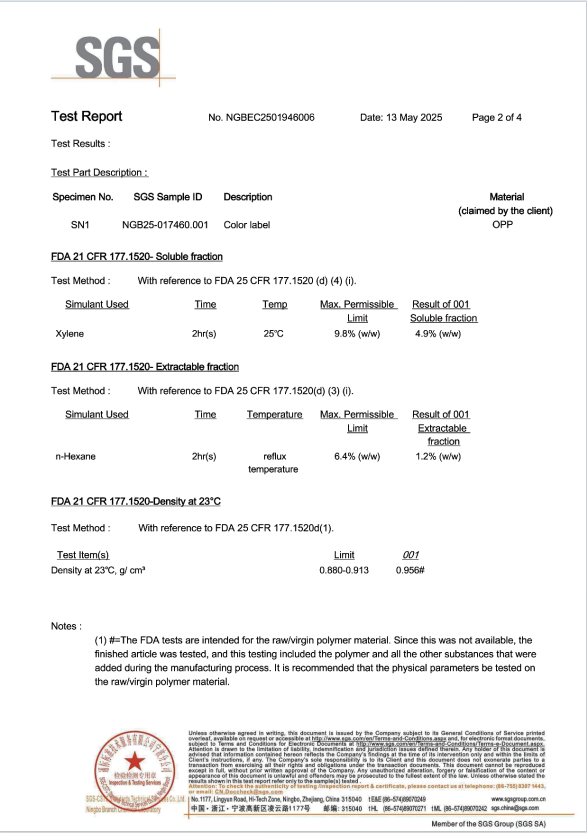
Film, ink and finish are declared as one system: the FDA food contact test report and the EU 10/2011 migration result apply to the finished label construction, not to the film alone.
Step-by-Step: How to Validate a Finish Before Mass Production
Finish decisions are confirmed on samples, not on proofs. The sequence below reflects how customized IML projects are typically validated before a full print run.
- Fix the container brief first. Confirm the resin (PP or PE), wall thickness, filling temperature inside the -20 ℃ to 120 ℃ range, whether the product uses cold chain or hot filling, and whether the artwork is already approved.
- Shortlist no more than two finishes. Testing four finishes at once rarely produces a decision; testing one gloss and one non-gloss option usually does.
- Specify the full construction on the sample request: finish, film type, film thickness within 30 to 100 µm, print colours, size, shape and material, using the customization fields the supplier supports (size, shape, colour, printing design and material).
- Test the sample against the acceptance criteria: ≥5 N adhesion with no peeling during injection molding, 4H pencil hardness, ≥20 MPa tensile strength, ±0.1 mm print registration with no colour deviation, and chemical resistance where the product involves alkalis, weak acids or detergents.
- Confirm the sample, then release production. Lead time of 15 to 20 days starts after sample confirmation, not after the purchase order.
- Verify quality control on the production run: 100% visual inspection combined with random lab testing against FDA and GB compliance requirements.
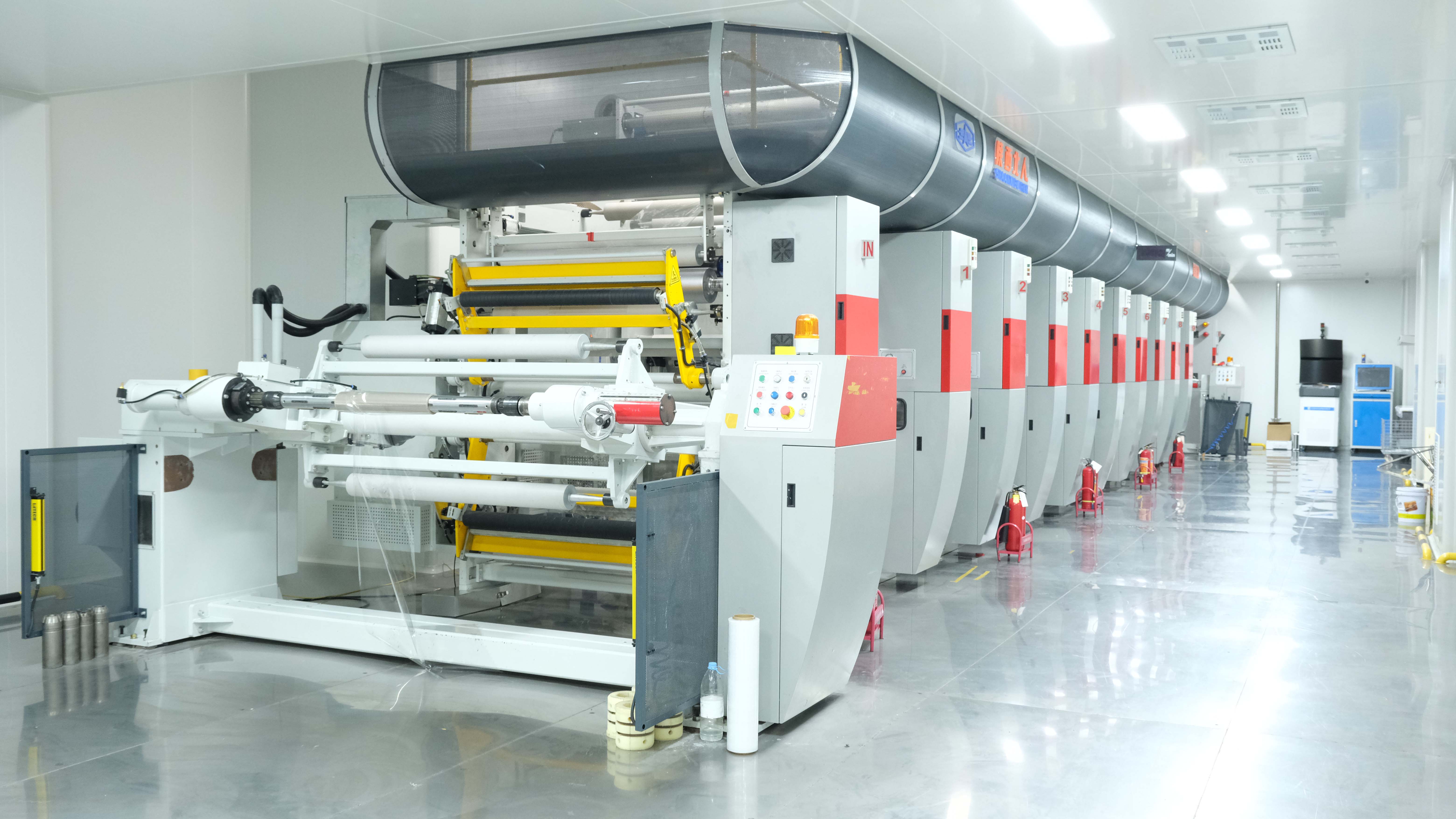
Sample validation and mass production run on the same printing assets, which is what allows a confirmed finish to be repeated at scale.
Ordering Notes: Customization, MOQ and Lead Time
Once a finish passes validation, the commercial parameters that matter to planners are straightforward and should be written into the purchase specification.
- Production mode: OEM and ODM IML production.
- Customization: size, shape, colour, printing design and material, plus custom film formulation where a bespoke finish is required.
- Printing: high-precision rotogravure, up to 8 colours, maximum printing width 1200 mm, ±0.1 mm precision.
- MOQ: 2000 square metres.
- Delivery terms: FOB or CIF.
- Payment terms: 30/70.
- Acceptance criteria: sample test.
- Lead time: 15 to 20 days after sample confirmation.
- Capacity: 350,000,000 pcs per month.
- After-sales: online technical support, after-sales consultation and quality complaint handling.
- Export markets: EU, US, Middle East and Southeast Asia.
Two supplier facts are worth checking against your own risk profile when finish consistency is a deciding factor. YZY has operated since 2009 with 16 years of manufacturing experience, a 20,000 m2 factory, 250 employees, a 10-person R&D team, 48 accumulated patents, an annual output of 200,000,000 and a 30% export ratio, and has established long-term cooperation with brands including Starbucks, Nestlé and Uni-President, with QS, ISO and BRC management system certifications in place.
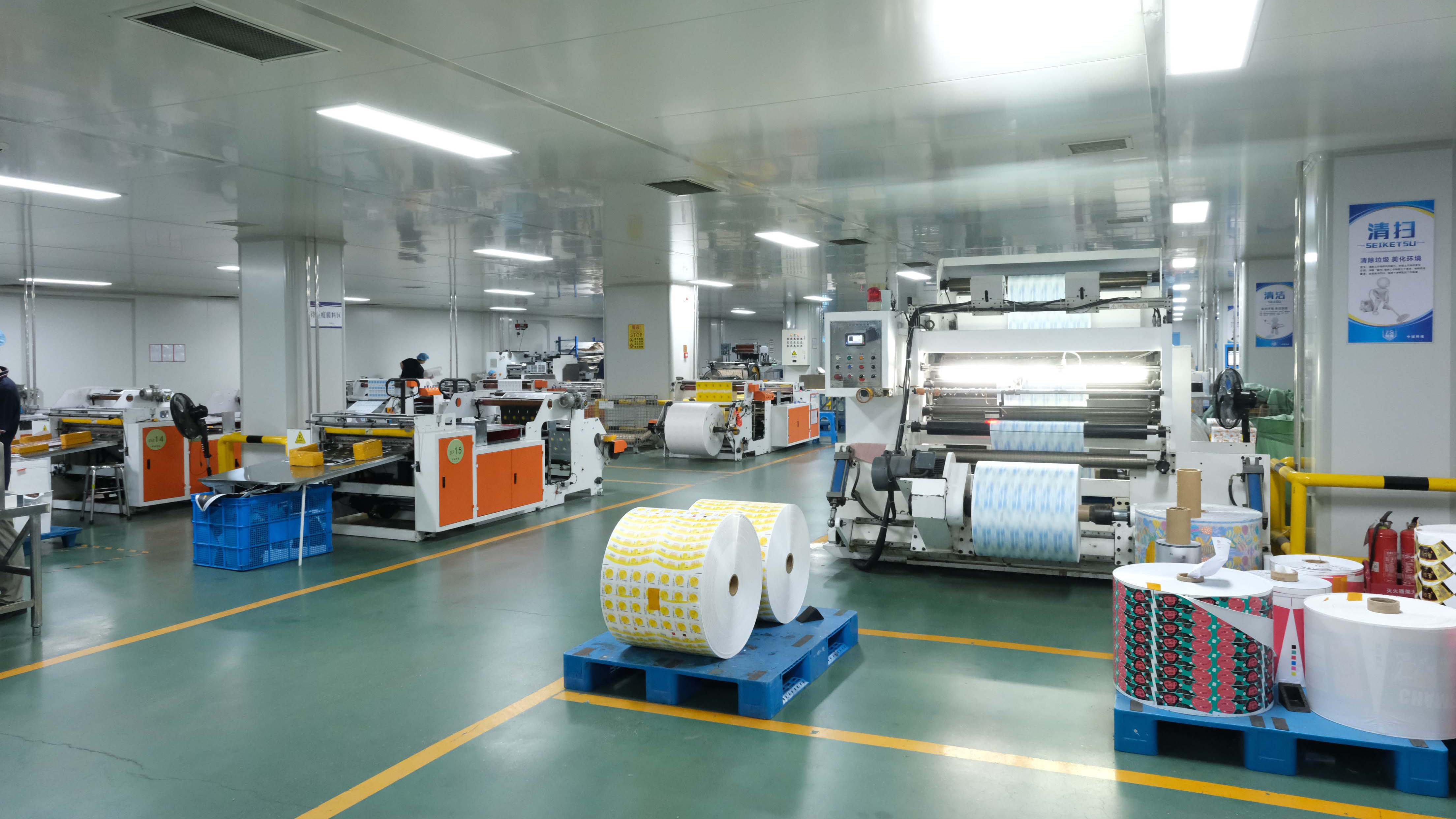
Finish consistency is a production control question: the same workshop, printing assets and inspection standard must hold the finish from sample to reorder.
Frequently Asked Questions
Do IML surface finishes affect food contact compliance?
A finish is part of the label construction, so it is assessed together with the film and the ink rather than separately. In the ZY-IML-SERIES, labels are printed with food-grade low-migration water-based ink, the migration test meets EU 10/2011 food contact material standards, and the series is documented against FDA 21 CFR, BRCGS Packaging Materials, ISO22000 and QS. The FDA food contact test report for this series was issued by SGS under report number NGBEC2501946006, against standard FDA 21 CFR 177.1520, issued 2025-05-13 and valid through 2099-12-31. For food grade IML projects, buyers should request the film declaration, the ink declaration and the finished-label test report as one set.
Can finishes and films be customized for a specific container?
Yes. YZY operates as an OEM and ODM manufacturer with customization of size, shape, colour, printing design and material, plus custom film formulation. Surface finishes available are glossy, matte, orange peel, holographic and custom texture. Film types include complex white gloss film, complex transparent gloss film, standard gloss film, matte laminated film and holographic film, produced in 30 to 100 µm thickness on virgin PP, PE, PET or multi-layer composite, with food-grade material available. Printing uses high-precision rotogravure at up to 8 colours with ±0.1 mm precision and a maximum width of 1200 mm.
What is the minimum order quantity and how are commercial terms handled?
The MOQ is 2000 square metres. Delivery terms are FOB or CIF, payment terms are 30/70, and acceptance is based on sample test. These terms apply to custom printed IML orders and should be confirmed in the purchase specification together with the chosen finish and film construction.
Can I test a finish before committing to full production?
Sampling is the standard route. A sample is validated against acceptance criteria that include ≥5 N adhesion with no peeling during injection molding, 4H pencil hardness scratch resistance, ≥20 MPa tensile strength, a -20 ℃ to 120 ℃ operating range, resistance to weak acids, alkalis and common detergents, and ±0.1 mm print registration with no colour deviation. Production lead time of 15 to 20 days is counted from sample confirmation, which is why the sample stage should not be compressed.
How long does production take after a finish is confirmed?
Lead time is 15 to 20 days after sample confirmation, supported by a monthly capacity of 350,000,000 pcs and 100% visual inspection combined with random lab testing against FDA and GB compliance requirements. To start a finish evaluation, send your container specification, target category and preferred surface finish to YZY at yzy@inmoldlabel.net or by WhatsApp on +86 182 6778 1866, and request a sample against the construction you intend to order.
Conclusion: Choose the Finish That Survives the Shelf
Ranked on a composite of shelf appeal, durability and application fit, holographic film leads on impact, complex white gloss film leads on repeatability, complex transparent gloss film leads on the no-label look, standard gloss film leads on volume consistency, matte laminated film leads on premium perception, orange peel leads on industrial wear, and custom texture exists for brands that need a surface no competitor can order from stock.
The ranking only becomes useful once it is tied to a category, a compliance set and a validated sample. Choose the finish against your container and filling conditions, confirm it against FDA 21 CFR, EU 10/2011, BRCGS, ISO22000 and QS requirements where food contact applies, then lock film, ink and finish in a sample before releasing production at a 2000 square metre MOQ and a 15 to 20 day lead time after sample confirmation.
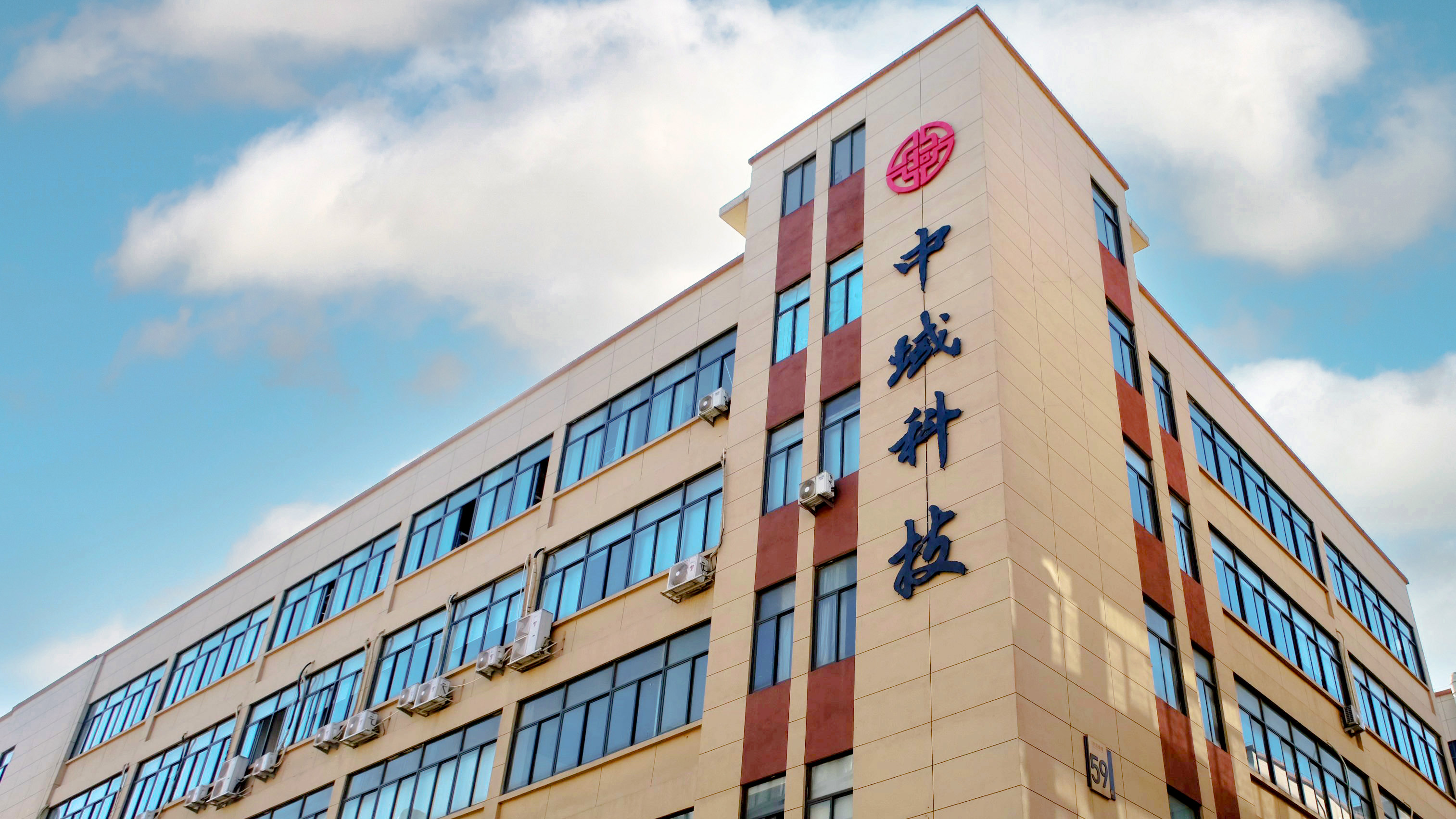
Next step: request a finish sample
Send your container type, category and preferred finish, and YZY will return a sample against the film, ink and finish construction you intend to order. MOQ 2000 square metres. Lead time 15 to 20 days after sample confirmation.
Email: yzy@inmoldlabel.net · Tel / WhatsApp: +86 182 6778 1866
Website: www.inmoldlabel.net · Blog: blog.inmoldlabel.net
Have Questions or Need More Details?
Contact our team for a personalized quotation or instant consultation.
Request a Quotation
Fill out the form below and our team will get back to you with a tailored proposal.
WhatsApp Direct Chat
Prefer to chat in real-time? Message us on WhatsApp for instant assistance & quick answers.
- Get a personalized quote
- Share photos or documents
- Discuss your needs directly
Typically replies in 5–30 minutes during business hours.