Top 5 In-Mold Label Stock Options for Rigid Plastic Packaging in 2026
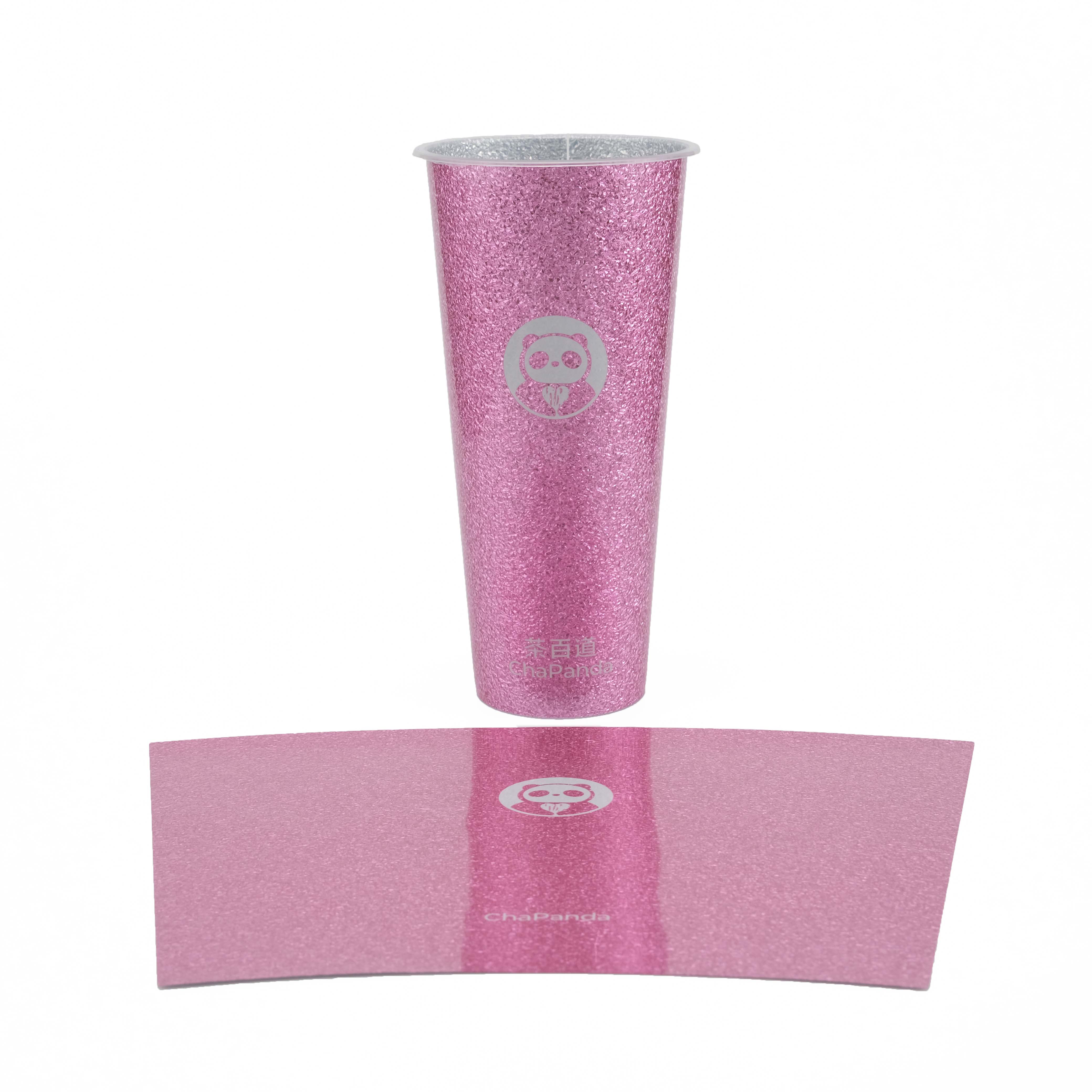
Procurement teams sourcing in-mold labels (IML) for rigid plastic packaging rarely start from a blank page. They start from what already sits on the shelf, what the mold will accept, and what a supplier can run without opening a new film development project. This article ranks five stock IML finishes available from YZY (Zhejiang Zhongyu Technology Co., Ltd.), an in-mold labeling manufacturer based in Wenzhou, Zhejiang, China: glossy, matte, orange peel, holographic, and custom texture.
Each entry below explains the packaging context the finish fits and the trade-off worth checking before a sample is approved. The specifications shared across the range — tensile strength ≥20 MPa, 4H pencil-hardness scratch resistance, and a -20 °C to 120 °C operating temperature range — are stated once so that all five options can be compared on the same footing. This is a ranking of IML film constructions, not a ranking of suppliers.
Why the Stock Finish Decision Is Locked Before the First Sample
An in-mold label is placed inside the mold cavity and fuses into the plastic wall while the container is formed. There is no adhesive layer and no liner sitting on top of the surface: the printed film becomes the outer surface of the finished container. That is why the surface finish has to be settled at specification stage, not at the packaging design review.
Three practical constraints follow from that mechanism:
- The finish cannot be retrofitted. Moving from matte to glossy after molding means new film, new print, and a new production run.
- The finish shares a construction with compliance. Food-contact documentation is issued for a specific film, ink and lamination combination, so choosing a finish is also a compliance decision.
- Stock finishes carry less project risk than custom development. A finish the manufacturer already runs reduces sampling cycles. For most container projects, the time saved by using a stock option is larger than the visual difference a fully custom surface would deliver.
The order of the ranking reflects breadth of fit for rigid plastic packaging: glossy ranks first because it is available in three separate stock film constructions, while custom texture ranks fifth because a custom film formulation and the smallest project fit make it the most demanding option to specify.
The 2026 IML Market Context in Brief
IML is not a niche decoration method. Grand View Research valued the global in-mold label market at USD 2.31 billion in 2023 and projected USD 3.14 billion by 2030, a compound annual growth rate of 4.6%. Future Market Insights estimates that the in-mould label film segment alone grows from USD 1.3 billion in 2025 to USD 1.7 billion by 2035.
Two structural facts explain why rigid plastic packaging dominates that demand. Polypropylene (PP) held a 47.2% share of the IML material segment in 2023, because a PP container and a PP label film fuse as one material — which also matters for recyclability. Injection molding accounted for 57.1% of IML production by process share in 2023, which is why the first technical question to a supplier is usually whether the film specification suits high-speed injection.
Demand is concentrated in food contact applications. Food and beverage accounted for over 41.3% of IML revenue in 2023, with yogurt cups and ice cream containers identified as growth categories. Asia-Pacific held a 42.8% regional revenue share in 2025, supported by dairy and paint industry growth in China and India.
Regulation shapes the shortlist as much as demand does. EU Regulation (EC) No 1935/2004 establishes the framework for food contact materials and requires that labels do not transfer substances into food in quantities that could endanger health or change the composition of the food. In practice, a stock finish is only usable if the film, ink and lamination behind it can be documented against that framework.
The supply landscape includes large international label groups such as Multi-Color Corporation (MCC Verstraete), CCL Industries (Innovia Films) and Constantia Flexibles, alongside regional specialists. The five options below come from one manufacturer's stock finish range and should be read as a starting shortlist for evaluation, not as a claim about any other supplier.
How YZY's Stock IML Finishes Are Built
YZY (Zhejiang Zhongyu Technology Co., Ltd.) is an in-mold labeling producer based in Wenzhou, Zhejiang, China. The company was founded in 2009 and runs a 20,000 m² facility with 250 employees and an R&D team of 10; its portfolio includes 48 accumulated patents. Its product range covers in-mold labels, sealing films, embossed lidding films and POF films, mainly for food packaging and related industries. The company states long-term cooperation with brands including Starbucks, Nestlé and Uni-President, holds QS, ISO and BRC management system certifications, and exports roughly 30% of its output to markets worldwide.
All five finishes below sit on the same series specification, the ZY-IML series, which is offered in food grade, daily chemical and industrial grades. The finish changes the outer surface; the substrate, ink system and compliance base stay the same. The table below is that shared baseline.
| Specification | Value across the ZY-IML series |
|---|---|
| Film thickness | 30 μm – 100 μm (customizable) |
| Film material | PP, PE, PET, multi-layer composite laminated film (food-grade virgin resin available) |
| Printing | High-precision rotogravure, up to 8 colors, printing precision ±0.1 mm |
| Maximum printing width | 1200 mm |
| Ink | Food-grade low-migration water-based ink |
| Adhesion strength | ≥5 N — no peeling during injection molding |
| Operating temperature | -20 °C to 120 °C (hot filling and cold chain) |
| Tensile strength | ≥20 MPa |
| Scratch resistance | 4H (pencil hardness test) |
| Chemical resistance | Weak acids, alkalis and common detergents |
| Compliance | FDA 21 CFR, BRCGS Packaging Materials, ISO22000, QS; migration test meets EU 10/2011 |
The Top 5 IML Stock Options, Ranked by Packaging Fit
1. Glossy — the broadest stock construction
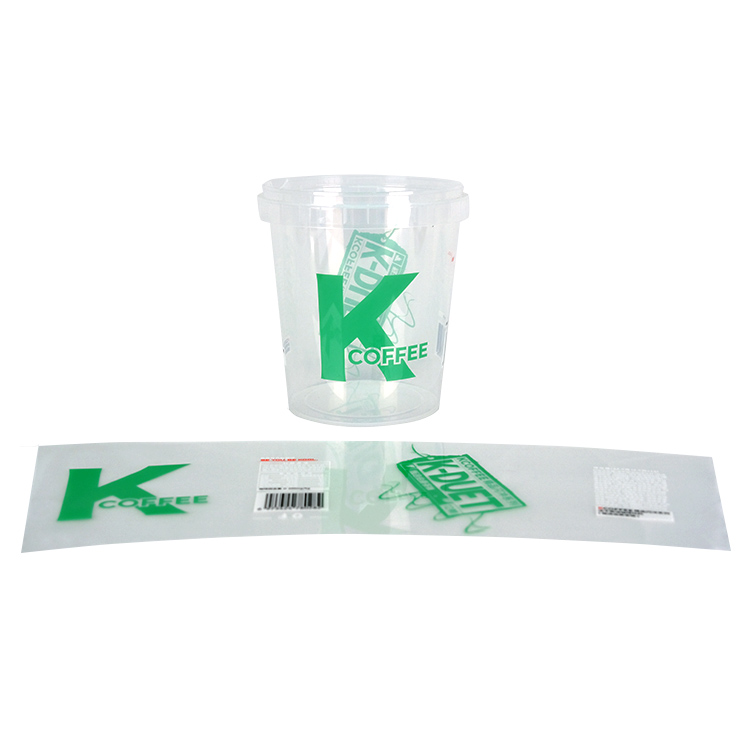
Glossy is the only finish in the range offered across three separate stock film constructions: standard gloss film, complex white gloss film, and complex transparent gloss film. That breadth is the reason it ranks first — one finish approval can serve several SKUs in the same portfolio.
It suits containers where printed artwork should read with maximum brightness and contrast: IML for yogurt cups, ice cream containers, beverage and bubble tea cups, plastic bottles, and cosmetic containers. The transparent construction is the one buyers specify when they want the printed design to sit on the container wall without a visible white background.
The trade-off is surface behaviour rather than durability. High-gloss surfaces generally show handling marks and fingerprints more readily than textured or matte surfaces, and reflections can interfere with shelf photography. For chilled dairy, condensation is a shelf condition rather than a film limit — the -20 °C to 120 °C operating range covers the cold chain itself.
2. Matte — the premium, low-glare option
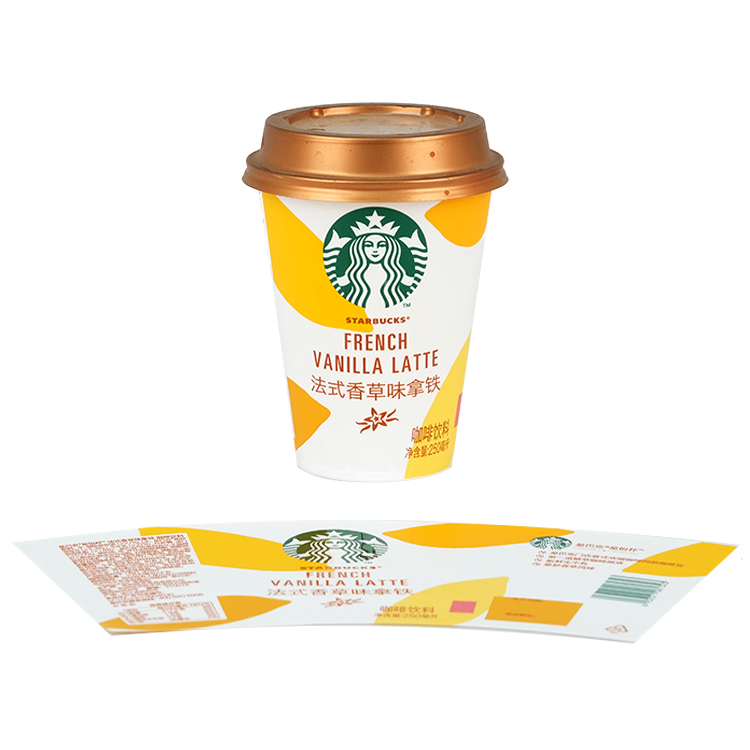
Matte appears in the ZY-IML series both as a film type (matte laminated film) and as a surface finish, and it is available in matte white and transparent matte lamination. It is the second rank because its fit is nearly as broad as glossy while carrying a different brand signal.
Typical contexts are premium dairy and ice cream containers, cosmetic jars and daily chemical packs, where a low-glare surface reads as a considered, higher-value pack on shelf. Because matte runs on the same base construction, it inherits the same High Adhesion IML performance (≥5 N, no peeling during injection molding) and the same hot-fill and cold-chain temperature range as glossy.
The trade-off is print legibility. A matte surface diffuses light, which reduces the perceived contrast of fine type and thin line work, so artwork with small copy often needs to be reworked before a matte version is approved. Matte is a visual signature, not a durability upgrade — the 4H scratch resistance value applies across the series.
3. Orange Peel — texture for large-format industrial containers
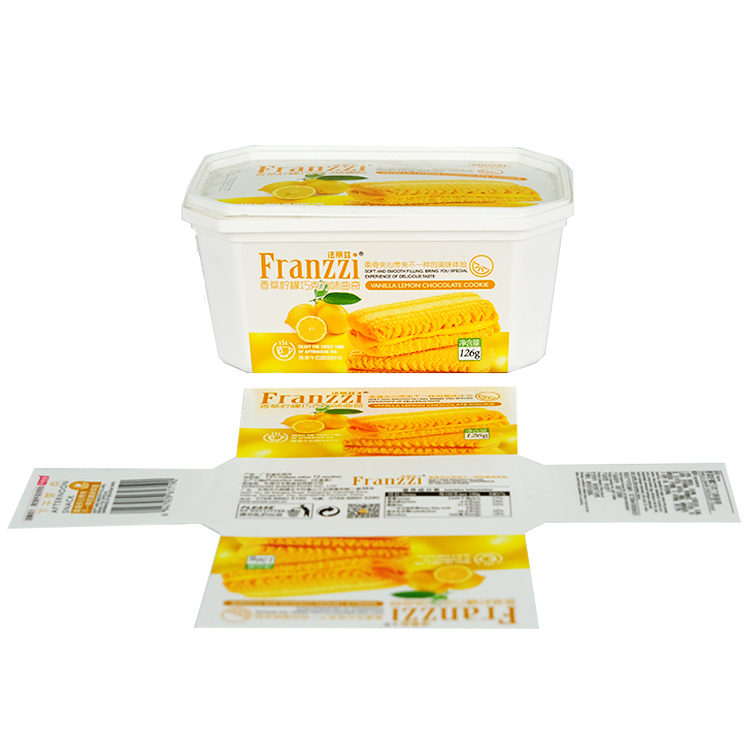
Orange peel is a textured surface finish listed in the series. The texture reads as a molded surface rather than a printed one, which is why it earns its place in this ranking specifically for industrial packaging.
The strongest fit is IML for paint bucket and lubricant bucket production, plus plastic buckets used for household and industrial chemicals. Two series properties reinforce that fit: chemical resistance to weak acids, alkalis and common detergents, and an adhesion value of ≥5 N that prevents peeling during injection molding on large, thick-walled parts.
It ranks third rather than higher because the fit is asymmetric: it is the natural choice for large-format containers and largely irrelevant for small retail dairy cups, where consumers expect a smooth surface. The trade-off is design resolution — fine detail and small type can soften on a textured wall, so artwork is usually simplified to larger elements and flatter color blocks.
4. Holographic — differentiation for promotional and beverage SKUs
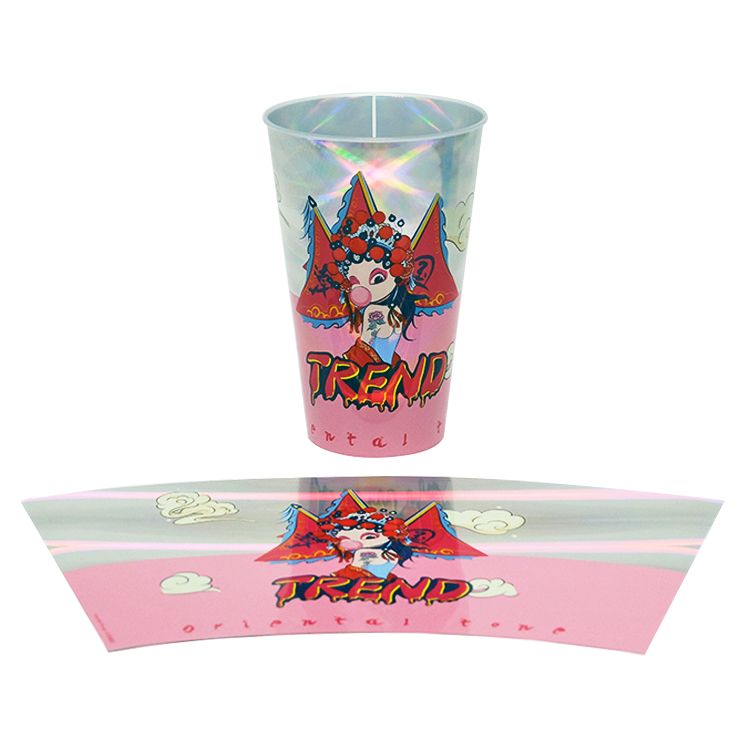
Holographic is listed as a separate film type rather than a lamination variant, which means it is specified at film selection stage. In one recorded food and beverage project, custom special effects — cold, heat and laser — were documented as a highlight of the delivered IML labels, alongside food-grade safety.
It fits campaigns and categories where the pack itself has to attract attention: limited-edition beverage and IML for Bubble Tea Cup programmes, promotional SKUs, and cosmetic containers. Holographic film also pairs well with transparent constructions, where the effect works against the container content.
It ranks fourth because the fit is narrow by design. In categories where color matching across a whole product line must be predictable under every store lighting condition, a shifting effect adds proofing work and risk. Because the visual result changes with viewing angle, buyers should approve a physical sample rather than a digital proof. At -20 °C to 120 °C the film behaves like other series constructions; the difference is optical, not mechanical.
5. Custom Texture — proprietary surface identity
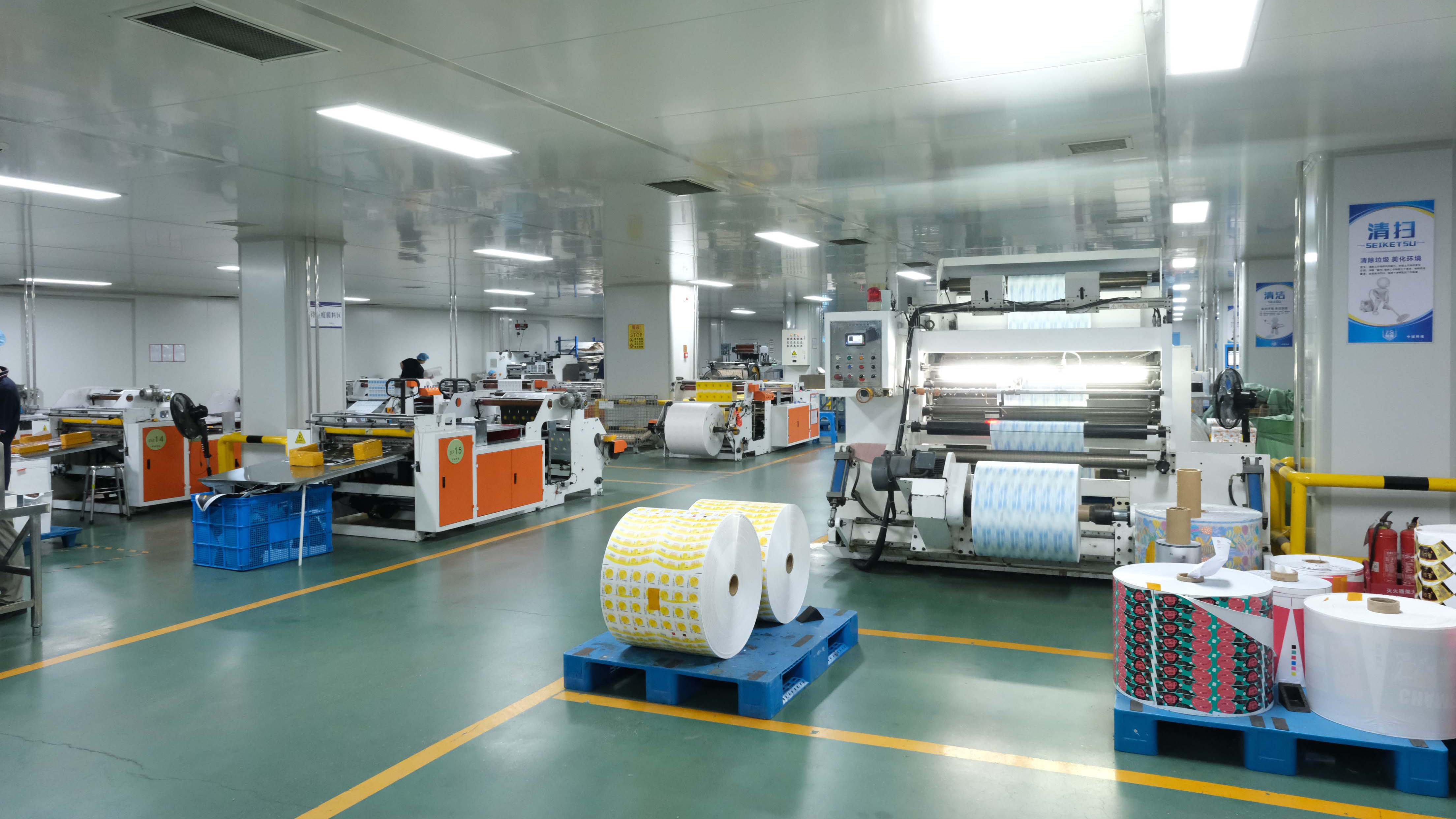
Custom texture is a surface finish in the series, delivered on a custom film formulation. Customization at YZY covers size, shape, color, printing design and material, so a custom texture brief is handled as a film development task rather than a print change.
It fits brand owners who need a proprietary tactile identity that competitors cannot copy from a stock catalogue — typically premium beverages, cosmetics and household products where the container is handled before purchase.
It ranks fifth for a structural reason: it has the narrowest fit and the longest path from brief to production, since the film formulation itself is new. The minimum order quantity for the series is 2000 ㎡, which sets the volume floor for a custom formulation. The return is exclusivity; the cost is time and minimum volume.
Five IML Finishes at a Glance
| Rank | Finish | Matching stock film construction | Packaging context it fits | Why it ranks here |
|---|---|---|---|---|
| 1 | Glossy | Standard gloss film; complex white gloss film; complex transparent gloss film | Yogurt cups, ice cream containers, beverage and bubble tea cups, plastic bottles, cosmetic containers | Three stock constructions under one finish — widest portfolio coverage |
| 2 | Matte | Matte laminated film (white and transparent matte lamination) | Premium dairy, ice cream, cosmetics, daily chemical containers | Broad fit with a distinct premium, low-glare surface signature |
| 3 | Orange peel | Orange peel surface finish on a laminated construction | Paint buckets, lubricant buckets, plastic buckets, large industrial containers | Textured industrial look paired with documented chemical resistance |
| 4 | Holographic | Holographic film | Limited-edition beverage cups, bubble tea cups, promotional SKUs, cosmetics | High shelf differentiation, but narrow and proofing-intensive |
| 5 | Custom texture | Custom texture finish on a custom film formulation | Brand-owned premium beverage, cosmetic and household containers | Exclusive surface identity, but longest development path |
All five share the series baseline: 30 μm – 100 μm film thickness, up to 8-color rotogravure printing at ±0.1 mm, ≥20 MPa tensile strength, 4H scratch resistance, ≥5 N adhesion, and an operating range of -20 °C to 120 °C covered by FDA 21 CFR, BRCGS, ISO22000 and QS documentation.
Step-by-Step: From This Shortlist to a Confirmed IML Order
The ranking is a starting point, not a decision. The sequence below is the order in which the variables actually constrain each other.
- Define the container and the molding process. Injection molding accounts for 57.1% of IML production volume, and the parameters in this article are stated for injection molding compatibility — high-speed injection without warping or label fall-off. If the container is thermoformed, confirm the process route with the supplier before comparing finishes, because process selection changes which film constructions are available.
- Fix the filling and retail conditions. Hot filling and cold chain both sit inside the -20 °C to 120 °C operating range, so the deciding factor is usually not temperature alone but combined exposure to chemicals, detergents or condensation.
- Shortlist two finishes, not five. Preparing artwork and samples for five constructions multiplies the review cycle. Glossy plus one alternative (matte for retail, orange peel for industrial) is usually enough to make a decision.
- Check artwork against print capability. Up to 8 colors at ±0.1 mm precision, with a maximum printing width of 1200 mm. Artwork that assumes tighter registration or a wider web will have to be reworked.
- Confirm the compliance documents for the chosen construction. Request the food-contact documentation for the specific film, ink and lamination combination: FDA 21 CFR, BRCGS Packaging Materials, ISO22000 and QS, plus the migration test result against EU 10/2011.
- Approve a physical sample. Sample confirmation is the gate before production lead time begins, and it is the only reliable way to judge finishes that change with viewing angle or lighting.
- Plan the run. Minimum order quantity is 2000 ㎡, production lead time is 15-20 days after sample confirmation, and monthly capacity is 350,000,000 pieces per month. Quality control is 100% visual inspection plus random laboratory testing against FDA and GB compliance.
Use Cases: Which Finish Fits Which Container
The same finish logic repeats across container families, because the consumer's handling and lighting conditions are similar within a category.
- IML for yogurt cup and ice cream container: glossy or matte. Both run through the cold chain, and the choice is usually a brand one — glossy for dairy brands competing on appetite appeal, matte for premium and clean-label positioning.
- IML for bubble tea cup and beverage cups: glossy or holographic. Glossy for standard printed programmes; holographic for promotions and seasonal SKUs where differentiation justifies the proofing work.
- IML for plastic bottle: glossy, including the complex transparent gloss construction for a no-label look on transparent containers.
- IML for paint bucket, lubricant bucket and plastic bucket: orange peel, where the texture reads as industrial, and chemical resistance to weak acids, alkalis and common detergents matches the contents.
- Daily chemical and cosmetic containers: matte, holographic or custom texture, depending on whether the brand priority is a clean premium look, an eye-catching effect, or an exclusive surface.
One recorded ZY-IML project illustrates how these choices behave at scale. A food and beverage and dairy customer ran high-volume, custom food-grade IML labels for cold beverage and yogurt cups for one year, across 14 export markets spanning Africa, South Asia, the Middle East, Southeast Asia, East Asia and the United States, working through an injection factory. The documented project results were 0 quality complaints, a 100% on-time delivery rate and 100% compliance, with food-grade safety and custom special effects (cold, heat, laser) recorded as the project highlights.
Frequently Asked Questions
Are YZY's stock IML finishes suitable for food contact packaging?
Yes, provided the specific film, ink and lamination combination is documented. The ZY-IML series is certified to FDA 21 CFR, BRCGS Packaging Materials, ISO22000 and QS, is printed with food-grade low-migration water-based ink, and its migration test meets the EU 10/2011 standard for food contact materials. This matters because a food-contact labeling application has special requirements: food contact safety under FDA and GB compliance, and non-toxic materials. On the regulatory side, EU Regulation (EC) No 1935/2004 sets the framework requiring that labels do not transfer substances into food in harmful quantities. The finish itself does not change that basis — glossy, matte, orange peel, holographic and custom texture all sit on the same compliant construction — but the documentation should always be requested for the exact construction and container combination.
Can these five stock finishes be customized for a specific container?
Yes. YZY operates as an OEM and ODM manufacturer, with customization covering size, shape, color, printing design and material, plus custom film formulation for surface finishes such as custom texture. Printing runs on high-precision rotogravure with up to 8 colors at ±0.1 mm precision and a maximum printing width of 1200 mm. Capacity for customized IML programmes is 350,000,000 pieces per month, and the company's R&D team of 10 supports film formulation work behind the 48 accumulated patents in its portfolio. Customization is therefore a film and print engineering task, not simply an artwork change.
What drives the cost of a stock IML finish?
The main cost variables are the film construction and thickness (30 μm – 100 μm, customizable), the number of print colors (up to 8) and the finish selected. Standard gloss film, complex laminated film and holographic film are different constructions, so they cannot be priced as substitutes; custom texture adds a custom film formulation on top. Volume interacts with all three, because the minimum order quantity for the series is 2000 ㎡. YZY does not publish list prices, since cost depends on construction, artwork, print and volume — the useful comparison is total cost at a defined annual volume rather than unit price on a single line item.
Can I validate a stock finish before committing to a production run?
Yes, and it is the recommended path. Sample confirmation is the gate that precedes production lead time, so a finish and construction are approved physically before volume production starts. This is particularly important for finishes whose appearance changes with viewing angle or lighting, such as holographic film, and for textured finishes where fine type may soften. Quality control at production stage is 100% visual inspection plus random laboratory testing against FDA and GB compliance, and YZY's after-sales scope covers online technical support, after-sales consultation and quality complaint handling.
What is the lead time and minimum order for a stock IML option?
Minimum order quantity is 2000 ㎡ and lead time is 15-20 days after sample confirmation; monthly capacity is 350,000,000 pieces per month, with export markets covering the EU, US, Middle East and Southeast Asia. To move from this shortlist to a quotation, send the container type, molding process, filling conditions and intended finish to YZY — contact Holly at yzy@inmoldlabel.net or +86 182 6778 1866 (WhatsApp available). The full product catalogue and specification summary can be downloaded from the brochure link at the end of this article.
Conclusion
For rigid plastic packaging in 2026, the five stock finishes above cover the practical demand of most projects: glossy for the widest portfolio fit, matte for premium low-glare positioning, orange peel for textured industrial containers, holographic for differentiation, and custom texture for exclusive brand identity. All five share the same verified baseline — ≥20 MPa tensile strength, 4H scratch resistance, ≥5 N adhesion, and a -20 °C to 120 °C operating range across FDA 21 CFR, BRCGS, ISO22000 and QS compliant construction.
The practical next step is not to compare all five in detail, but to narrow the list to two options that match your container and filling conditions, request samples of both, and confirm the compliance file for the chosen construction. That sequence keeps the finish decision where it belongs — inside the technical review, before the mold is loaded.
Request IML film samples and the 2026 catalogue
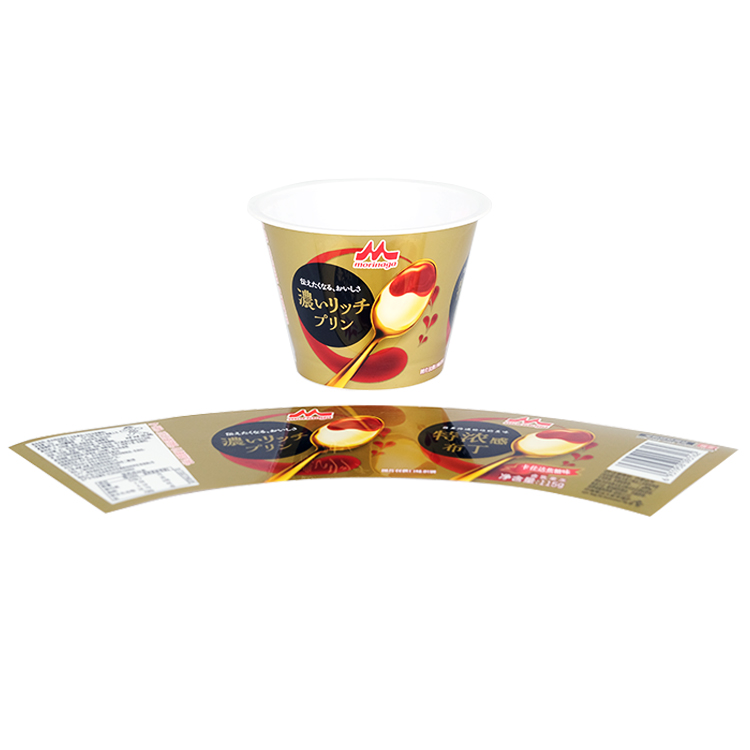
Send your container type, molding process and target volume to receive a finish recommendation, a sample pack and a quotation. Contact Holly: yzy@inmoldlabel.net | +86 182 6778 1866 (WhatsApp) | www.inmoldlabel.net
Have Questions or Need More Details?
Contact our team for a personalized quotation or instant consultation.
Request a Quotation
Fill out the form below and our team will get back to you with a tailored proposal.
WhatsApp Direct Chat
Prefer to chat in real-time? Message us on WhatsApp for instant assistance & quick answers.
- Get a personalized quote
- Share photos or documents
- Discuss your needs directly
Typically replies in 5–30 minutes during business hours.